Eating well is easier when smart technology helps guide your choices. This page highlights the best AI nutrition tools of 2026, including both free and paid platforms designed to assist with meal planning, calorie tracking, personalized diets, and overall wellness. Whether you're managing a specific health condition, pursuing fitness goals, or simply trying to eat healthier, these AI-powered tools analyze your inputs and offer tailored recommendations that fit your lifestyle. Some apps use photo recognition to log meals, while others create full meal plans based on dietary restrictions, allergies, or macronutrient goals. We've evaluated each tool based on accuracy, personalization, ease of use, and integration with fitness or wearable apps. Many options also offer coaching features or recipe suggestions to keep you motivated and on track. If you're looking to take control of your nutrition with data-driven insights and smart automation, this guide covers the most effective AI nutrition tools available today.
Top Paid AI Diet & Nutrition Tools
| Rank | Tool | Key Strength | Price | Best Use Case |
|---|---|---|---|---|
| #1 | MacroFactor | Adaptive coaching that adjusts calories/macros | From $71.99/year | Data-driven fat loss or lean gains |
| #2 | MyFitnessPal Premium | Powerful logging + premium insights | $79.99/year (or $19.99/month) | Everyday diet tracking with advanced tools |
| #3 | Noom Weight | Behavior-change coaching + habit system | From ~$17.42/month (annual plan) | Sustainable weight loss & habit building |
| #4 | Nutrisense | CGM + personalized food impact insights | From $179/month | Advanced metabolic health & glucose control |
| #5 | Lumen | Breath-based metabolism guidance | Device + $19/month membership | Personalized nutrition based on metabolism |
MacroFactor
MacroFactor is one of the strongest “AI-style” nutrition coaches available because it adapts to you instead of forcing you into a static plan. You log food and weight, and its coaching algorithm updates calorie targets and macro goals based on real trends—helping you avoid the classic plateau problem that happens when plans don’t adjust. It’s especially effective for disciplined users who want accurate targets, clear progress metrics, and a tool that gets smarter as it learns your intake and rate of change over time.
MyFitnessPal Premium
MyFitnessPal Premium remains a top pick for mainstream tracking thanks to its massive food database, fast logging workflow, and premium tools built for consistency. Premium adds features like deeper nutrient insights, custom macro goals, and advanced logging options that can dramatically reduce friction for daily use. If you want an all-in-one tracker that’s widely supported, integrates with many fitness platforms, and has a mature ecosystem of foods, recipes, and habit tools, it’s still a safe “default” choice in 2026.
Noom Weight
Noom Weight focuses less on perfect macro math and more on the psychology of eating—using coaching, lessons, and habit frameworks to help users make changes that last. Its “AI” value is in structured guidance: consistent nudges, behavior-change education, and systems designed to reduce decision fatigue around food choices. This makes Noom a strong fit for people who struggle with adherence, want accountability, or prefer a program that emphasizes mindset and routines rather than purely numbers.
Nutrisense
Nutrisense pairs continuous glucose monitoring (CGM) with personalized analysis to show how your body responds to specific foods in real time. Instead of guessing which meals spike energy or cravings, you can see patterns and adjust based on actual data—useful for metabolic health, performance, and blood sugar awareness. It’s best for advanced users who want deeper insight than standard calorie apps can provide, and who are willing to invest in higher-cost tracking for more precise personalization.
Lumen
Lumen uses breath measurements to estimate whether you’re primarily burning fats or carbs, then turns that signal into daily nutrition guidance. The idea is “metabolic flexibility”: using real-time feedback to fine-tune meals around training, recovery, sleep, and lifestyle habits. It’s a more hands-on (and device-based) approach than typical trackers, but it can be appealing for users who like biofeedback, want a guided macro strategy, and enjoy working with measurable daily signals.
Top Free AI Diet & Nutrition Tools
| Rank | Tool | Key Strength | Limitations | Best Use |
|---|---|---|---|---|
| #1 | Cronometer | High-accuracy macro + micronutrient tracking | Some analytics are paid | Precision nutrition and nutrient completeness |
| #2 | MyFitnessPal (Free) | Simple logging with a huge food database | Many premium features are locked | Basic calorie awareness and consistency |
| #3 | Lose It! | Beginner-friendly weight loss tracking | Advanced insights are premium | Simple calorie tracking for beginners |
| #4 | YAZIO (Free) | Clean tracker with fasting + nutrition features | AI photo logging is Pro | Calorie tracking with optional fasting routines |
| #5 | ChatGPT (Free) | Personalized meal ideas and nutrition Q&A | No built-in food logging | Meal planning help and label interpretation |
Cronometer
Cronometer is one of the best free nutrition trackers if you care about accuracy and completeness, not just calories. It stands out by tracking vitamins, minerals, and other micronutrients in a way that’s genuinely useful for athletes, vegans, people on medically guided diets, or anyone trying to improve food quality—not just quantity. The free tier is strong enough for most users, and you can upgrade later if you want deeper charts, long-term analytics, and premium reporting.
MyFitnessPal (Free)
MyFitnessPal’s free tier is still a popular starting point because it’s easy to use and has an enormous database that makes day-to-day logging fast. It’s ideal if your main goal is building awareness and consistency—especially if you’re new to tracking and don’t want to overcomplicate the process. Just keep in mind that many of the “power user” tools (advanced insights, enhanced logging, and certain premium conveniences) are reserved for paid plans in 2026, so free users should treat it as a lightweight baseline tracker.
Lose It!
Lose It! is a great free option for people who want a friendly interface and a straightforward path to calorie tracking. It emphasizes weight-loss progress, goal setting, and simple day-to-day logging without making the app feel overwhelming. While premium unlocks more advanced features and deeper insights, the free version is more than enough to build a consistent tracking habit and understand your daily intake patterns.
YAZIO (Free)
YAZIO offers a polished experience that blends calorie tracking with lifestyle features like intermittent fasting timers and structured routines. It’s especially useful for users who want something modern and clean, with enough built-in structure to stay consistent without needing a complex coaching program. The free tier covers the essentials well, but the more “AI-forward” features—like photo-based food recognition—are typically part of YAZIO Pro, so free users should expect a more manual (but still efficient) workflow.
ChatGPT (Free)
ChatGPT can function like a flexible nutrition helper—great for generating meal ideas around your calorie target, macros, allergies, preferences, or budget. It’s also useful for interpreting labels, building grocery lists, and troubleshooting common problems like “high-protein breakfasts that aren’t eggs” or “simple meals for cutting.” It’s not a tracking app and shouldn’t replace medical advice, but as a free planning companion alongside a real logger, it can make healthy eating feel far less stressful and more personalized.
Rankings

Chatbots
AI chatbots have quickly evolved from simple assistants into powerful, multi-purpose tools used by millions of people every day...

Image Generators
AI image generators are revolutionizing the way creatives, marketers, and developers produce visual content by transforming text prompts into detailed, customized...

Writing Assistants
AI writing assistants have become indispensable tools for anyone who writes — from students and bloggers to business professionals and marketers...

Deepfake Detection
As deepfake technology becomes more advanced and accessible, detecting AI-manipulated content is now a critical challenge across journalism, education, law, and...

Productivity & Calendar
AI productivity and calendar tools have become essential for professionals, entrepreneurs, and students looking to make the most of their time without getting overwhelmed...
Natural Language To Code
Natural language to code tools are transforming software development by enabling users to build apps, websites, and workflows without needing advanced programming...
Blog
How AI Actually Works
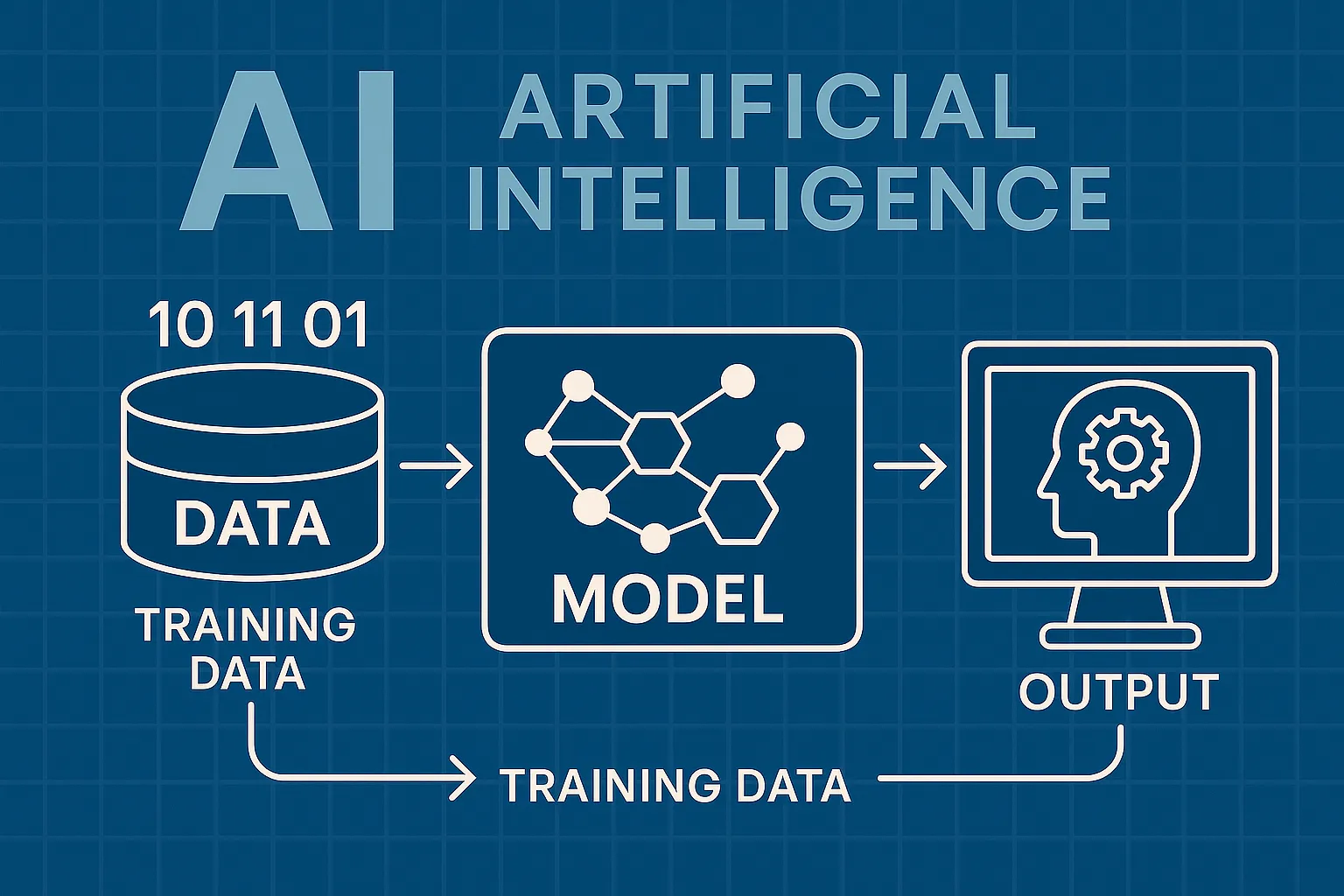
Understand the basics of how AI systems learn, make decisions, and power tools like chatbots, image generators, and virtual assistants.

What Is Vibe Coding?
Discover the rise of vibe coding — an intuitive, aesthetic-first approach to building websites and digital experiences with help from AI tools.

7 Common Myths About AI
Think AI is conscious, infallible, or coming for every job? This post debunks the most widespread misconceptions about artificial intelligence today.

The Future of AI
From generative agents to real-world robotics, discover how AI might reshape society, creativity, and communication in the years ahead.

How AI Is Changing the Job Market
Will AI replace your job — or create new ones? Explore which careers are evolving, vanishing, or emerging in the AI-driven economy.

Common Issues with AI
Hallucinations, bias, privacy risks — learn about the most pressing problems in current AI systems and what causes them.