With AI-generated images becoming increasingly realistic, it’s more important than ever to verify whether what you're seeing is real or synthetic. This page features the best AI image detectors in 2026, comparing free and paid tools that help users identify images created using artificial intelligence. Whether you're analyzing social media posts, reviewing news content, moderating a platform, or simply curious about an image’s origin, these tools use advanced models to detect telltale signs of manipulation and synthetic generation. Many of them analyze visual artifacts, compression patterns, and generator-specific signals to assess image authenticity—while others focus on provenance, checking for Content Credentials and other trust metadata. We've reviewed each detector based on reliability, supported formats, ease of use, and detection transparency. Several options also include browser extensions, web apps, or APIs for fast everyday verification. If you're concerned about misinformation, visual deepfakes, or the growing use of AI in digital media, this guide covers the top image detection tools built to help you stay informed and aware.

Best Paid AI Image Detectors
| Rank | Tool | Focus | Price | Best For |
|---|---|---|---|---|
| #1 | Hive AI Detection | AI-generated + manipulated image detection | Custom plans | Platforms, moderation, at-scale scanning |
| #2 | Reality Defender (RealScan) | Deepfake analysis with risk scoring | Custom plans | Investigations, trust & safety teams |
| #3 | GetReal Security | Forensic-grade synthetic media detection | Enterprise pricing | High-stakes verification workflows |
| #4 | Sensity AI | Synthetic media & impersonation detection | Custom quotes | Fraud monitoring, threat intelligence |
| #5 | Truepic | Provenance & authenticity at capture time | Enterprise/SDK | Insurance, compliance, legal evidence |
Hive AI Detection
Hive AI Detection is a widely used enterprise solution for identifying AI-generated and manipulated visuals at scale. It’s particularly strong for real-world moderation use cases where you need fast, automated decisions across huge volumes of user-generated content. Hive’s detectors return clear confidence scores and can be integrated through APIs into existing trust-and-safety pipelines, making it practical for social platforms, publishers, marketplaces, and brands. Because synthetic imagery is constantly evolving, Hive’s biggest advantage is operational: quick scanning, configurable thresholds, and workflows that help teams triage suspicious content before it spreads or causes damage.
Reality Defender (RealScan)
Reality Defender is designed for organizations that need defensible, analyst-friendly deepfake detection across images and other media types. RealScan provides a secure web app experience for quick uploads and verification, plus enterprise options for API-based analysis and monitoring. Rather than relying only on metadata (which can be stripped), Reality Defender focuses on model-based detection signals and risk scoring—helping verification teams make decisions with more context than a simple “real vs AI” label. It’s a strong choice for investigations, fraud prevention, and trust-and-safety operations where false positives and unclear outputs can be costly.
GetReal Security
GetReal Security targets high-stakes synthetic media threats with a detection approach built for enterprise and security workflows. It’s positioned as a forensic-grade solution for identifying manipulated and AI-generated media across multiple modalities, including images, and is a strong fit when you need deeper review rather than casual “one-off” checks. GetReal is especially relevant for scenarios like impersonation risk, executive fraud, newsroom verification, and sensitive public-facing communications. If your organization needs explainability and operational tooling—not just a probability score—GetReal is one of the most compelling modern platforms to consider.
Sensity AI
Sensity AI provides an all-in-one deepfake detection hub designed to surface synthetic media threats quickly, with support for both file uploads and URL-based analysis. Its core value is in threat monitoring and investigation workflows: you can scan suspicious content, generate assessments in seconds, and build audit trails that support internal reviews. Sensity is often used by teams concerned with identity fraud, misinformation campaigns, and impersonation attempts where AI visuals are used to deceive. For enterprises that need a consistent platform with options like API access and scalable deployment, Sensity is a strong, security-oriented choice.
Truepic
Truepic approaches “detection” from a different angle: instead of trying to guess after the fact, it strengthens trust by proving an image is authentic at the moment it’s captured. Through SDK-driven secure capture and provenance workflows, Truepic can help organizations reduce tampering and establish verifiable evidence for claims, inspections, and compliance. This makes it especially useful for industries like insurance, legal documentation, financial services, and regulated operations where you must defend the integrity of an image under scrutiny. If you need trust you can demonstrate—not just a best-effort detection score—Truepic is one of the best options available.
Best Free AI Image Detection Tools
| Rank | Tool | Focus | Limitations | Notes |
|---|---|---|---|---|
| #1 | Content Credentials (CAI) Verify | Provenance check via Content Credentials | Only works when credentials exist | Best for transparency & edit history |
| #2 | Hive AI Detector (Chrome Extension) | On-page AI detection for images | Browser-only; not enterprise controls | Fast checks while browsing |
| #3 | AI or Not | AI-generated image detection | Free usage may be limited | Good quick “is this AI?” checks |
| #4 | Sightengine AI Image Detector | AI-generated image detection (API + UI) | Free usage limited | Solid for developers and moderation |
| #5 | Illuminarty | AI generation likelihood + model hints | Results can vary by image type | Nice “second opinion” detector |
Content Credentials (CAI) Verify
CAI Verify (Content Credentials) is one of the most useful free tools for authenticity checks when an image includes provenance metadata. Instead of guessing based on artifacts, Verify inspects Content Credentials and can show key details like who published the content, what tools were used, and whether generative AI or editing steps were involved—when that information is present. This makes it especially valuable for journalists, educators, and researchers who want transparency rather than a black-box detection score. The limitation is simple: if an image has no credentials (or platforms strip metadata), Verify can’t confirm anything. But when credentials exist, it’s one of the most trustworthy “proof-based” checks you can run.
Hive AI Detector (Chrome Extension)
The Hive AI Detector Chrome extension makes AI image checks frictionless by letting you scan content directly from your browser. It’s built for everyday use: right-click or upload an image you’re viewing online and get a quick confidence-style assessment without needing a full enterprise setup. This is particularly helpful for creators, moderators, and curious users who want fast signal while browsing social media, marketplaces, or news sites. While it doesn’t provide the deeper governance, thresholds, and audit controls that paid moderation pipelines need, it’s one of the most practical free “in-the-moment” tools for spotting likely AI-generated visuals.
AI or Not
AI or Not is a straightforward web-based detector designed for quick verification of whether an image is likely AI-generated. The experience is simple: upload an image, get an assessment, and use that result as a sanity check when something feels “too perfect” or suspicious. It’s most useful for casual verification, content review, and early-stage moderation where you need a fast answer without spinning up developer tooling. Like most detectors, accuracy can vary depending on image type, compression, and heavy post-processing, and the free tier may have usage limits. Still, it’s a convenient option to keep in your toolkit for fast, low-friction checks.
Sightengine AI Image Detector
Sightengine’s AI Image Detector is a strong free-to-try option for users who want both a quick web interface and a path toward API-based automation. It’s commonly used for moderation workflows because it’s built around practical outputs: a detection score you can plug into rules, dashboards, or review queues. The free tier is typically limited, but it’s enough for occasional verification, small experiments, and light moderation. For developers and small teams, Sightengine is especially appealing because you can start manually, then scale to automated checks later without changing tools. It’s one of the best “bridge” options between casual use and real operational deployment.
Illuminarty
Illuminarty is a helpful “second opinion” tool that estimates the likelihood an image was generated by popular AI models by analyzing visual patterns and detector signals. It’s useful when you want quick feedback without enterprise complexity, and it can be especially handy for creators, curators, and community moderators who need lightweight verification. Illuminarty also positions itself around model detection and automation options, which makes it a practical choice if you want more than a one-off check over time. As with all artifact-based detectors, results can be affected by resizing, compression, heavy edits, or screenshots—so it’s best used alongside provenance checks (like Content Credentials) when you need higher confidence.
Rankings

Chatbots
AI chatbots have quickly evolved from simple assistants into powerful, multi-purpose tools used by millions of people every day...

Image Generators
AI image generators are revolutionizing the way creatives, marketers, and developers produce visual content by transforming text prompts into detailed, customized...

Writing Assistants
AI writing assistants have become indispensable tools for anyone who writes — from students and bloggers to business professionals and marketers...

Deepfake Detection
As deepfake technology becomes more advanced and accessible, detecting AI-manipulated content is now a critical challenge across journalism, education, law, and...

Productivity & Calendar
AI productivity and calendar tools have become essential for professionals, entrepreneurs, and students looking to make the most of their time without getting overwhelmed...
Natural Language To Code
Natural language to code tools are transforming software development by enabling users to build apps, websites, and workflows without needing advanced programming...
Blog
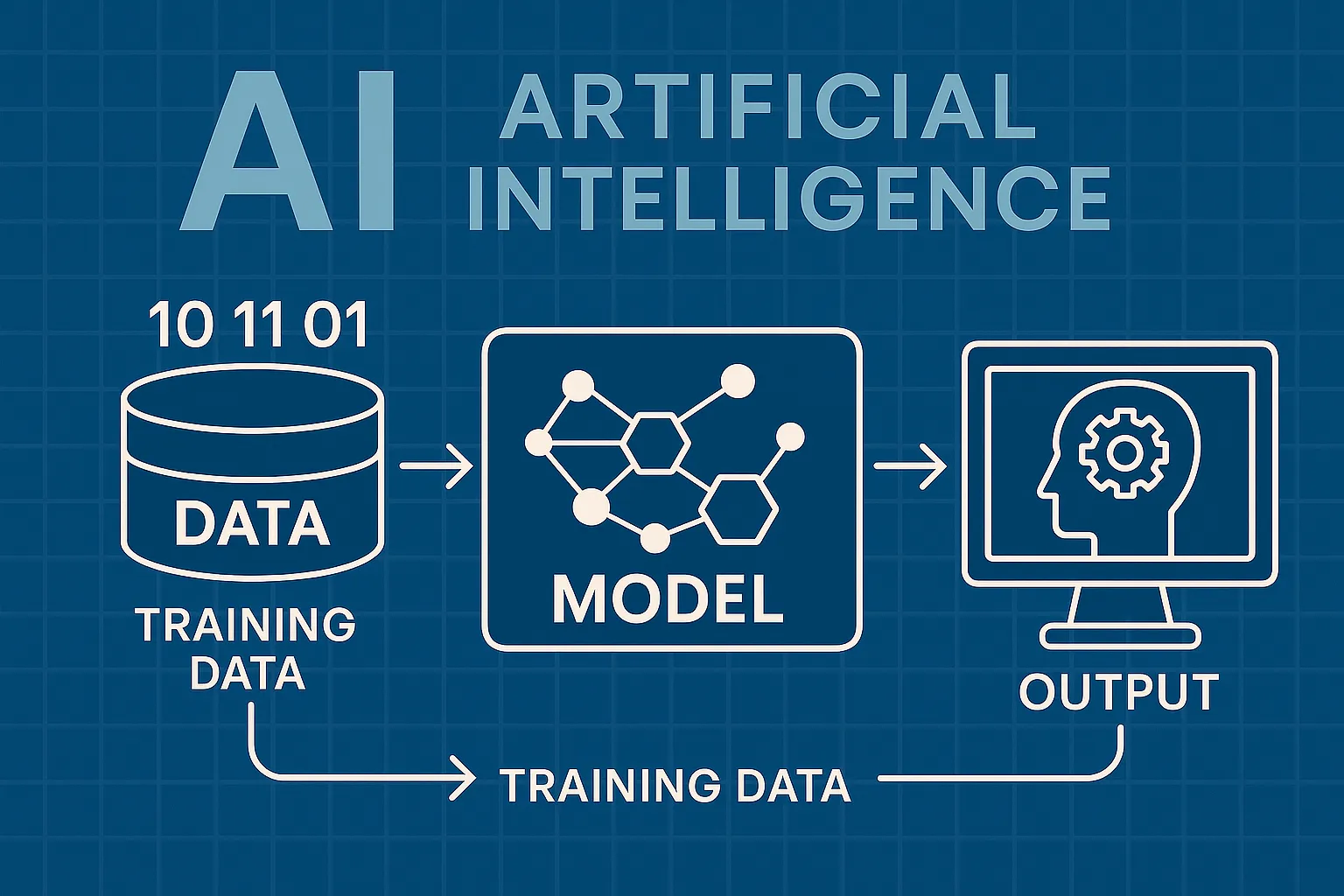
How AI Actually Works
Understand the basics of how AI systems learn, make decisions, and power tools like chatbots, image generators, and virtual assistants.

What Is Vibe Coding?
Discover the rise of vibe coding — an intuitive, aesthetic-first approach to building websites and digital experiences with help from AI tools.

7 Common Myths About AI
Think AI is conscious, infallible, or coming for every job? This post debunks the most widespread misconceptions about artificial intelligence today.

The Future of AI
From generative agents to real-world robotics, discover how AI might reshape society, creativity, and communication in the years ahead.
How AI Is Changing the Job Market
Will AI replace your job — or create new ones? Explore which careers are evolving, vanishing, or emerging in the AI-driven economy.

Common Issues with AI
Hallucinations, bias, privacy risks — learn about the most pressing problems in current AI systems and what causes them.