Hiring the right talent is one of the most critical—and time-consuming—parts of running a successful business. That’s why more companies are turning to AI-powered hiring tools to speed up recruitment, reduce bias, and improve decision-making. This page highlights the best AI hiring tools in 2026, featuring both free and paid platforms that assist with everything from resume screening and candidate matching to job description optimization and automated interview assessments. Whether you're building a team at a startup or scaling hiring at an enterprise level, these tools help streamline the recruitment process while increasing accuracy and fairness. We've evaluated each platform based on features, pricing, compliance, ease of use, and how well it integrates with existing HR systems. Many tools also include analytics, automation, and structured workflows that reduce manual coordination, helping hiring teams move faster without sacrificing quality. If you're looking to modernize your hiring strategy and attract top talent more efficiently, these AI tools offer a competitive edge.
Top Paid AI Tools for Hiring & Recruiting
| Rank | Tool | Key Strength | Price | Best Use Case |
|---|---|---|---|---|
| #1 | Greenhouse | Structured hiring with AI-assisted workflows | Custom pricing | Scaling hiring with consistency |
| #2 | Lever | ATS + CRM with automation and analytics | Custom pricing | Pipeline management + nurturing talent |
| #3 | Ashby | All-in-one recruiting suite with AI built-in | Custom pricing | Modern teams consolidating tools |
| #4 | HireVue | Skills validation via interviews + assessments | Custom pricing | High-volume screening and testing |
| #5 | Paradox (Olivia) | Conversational AI for candidate engagement | Custom pricing | Automating frontline & hourly hiring |
Greenhouse
Greenhouse is a hiring platform built around structured recruiting, helping teams standardize interviews, scorecards, and decision-making while still moving quickly. Its AI-assisted features and workflow automation reduce repetitive coordination (like scheduling and stage management) and keep hiring teams aligned across departments. Greenhouse is especially strong for companies scaling from “a few roles” to “many roles at once,” where consistency and process quality matter as much as speed. It also integrates well with common HR tech stacks, making it a dependable core ATS for growing organizations.
Lever
Lever combines applicant tracking with candidate relationship management (ATS + CRM), which makes it ideal for teams that want to build talent pipelines instead of restarting from scratch every time a role opens. Its automation and analytics help recruiters prioritize candidates, track conversion rates through stages, and maintain visibility on what’s working across roles and sources. Lever is a great fit for organizations that care about long-term recruiting performance—especially when multiple hiring managers are involved and you need repeatable, measurable processes. It’s also widely used for streamlined offer and interview coordination.
Ashby
Ashby is an all-in-one recruiting platform that bundles ATS, scheduling, sourcing/CRM, and reporting into a single system—then layers AI into the workflow to reduce busywork and improve consistency. The big advantage is consolidation: instead of stitching together multiple tools, teams can run their entire recruiting process in one place while still getting modern automation, templates, and data visibility. Ashby is especially popular with fast-growing companies that want high-quality analytics and an efficient recruiter experience, without sacrificing customization. If you’re trying to “clean up” your hiring stack, Ashby is one of the best options.
HireVue
HireVue focuses on skill validation at scale through video interviewing and structured assessments, helping hiring teams screen large applicant volumes more efficiently. Rather than relying only on resumes, HireVue supports standardized evaluations that can improve consistency across candidates and reduce scheduling bottlenecks early in the funnel. It’s most valuable for high-volume roles, graduate pipelines, and organizations that need repeatable screening processes across locations. When used thoughtfully—with clear criteria and strong governance—HireVue can dramatically reduce time-to-shortlist while giving recruiters more decision-support than traditional phone screens alone.
Paradox (Olivia)
Paradox is best known for Olivia, a conversational AI assistant designed to automate high-friction recruiting tasks like answering candidate questions, collecting basic information, sending reminders, and scheduling interviews. This is particularly effective for hourly and frontline hiring where speed and responsiveness can make or break your acceptance rates. Instead of forcing applicants through long forms and slow email chains, Paradox enables a more conversational, mobile-friendly experience that keeps candidates engaged. For teams dealing with high applicant drop-off or heavy scheduling volume, Paradox can reduce recruiter workload while improving candidate experience and time-to-hire.
Top Free AI Tools for Hiring & Recruiting
| Rank | Tool | Key Strength | Limitations | Best Use |
|---|---|---|---|---|
| #1 | ChatGPT (Free) | Job posts, outreach, interview question sets | Usage limits; not an ATS | Writing-heavy HR workflows |
| #2 | Google Gemini (Free) | Fast drafting + planning inside Google ecosystem | Not HR-specific; policy-sensitive outputs | Job description and screening templates |
| #3 | Claude (Free) | High-quality writing + structured evaluation rubrics | Not an ATS; feature limits on free | Scorecards, rubrics, hiring documents |
| #4 | Breezy HR (Free Plan) | Free ATS for a single role with pipeline basics | Best for one active position | Startup hiring without a budget |
| #5 | Zoho Recruit (Free Plan) | Structured applicant tracking on a free tier | Lower limits + fewer automations | Basic ATS for small teams |
ChatGPT (Free)
ChatGPT is one of the most practical “free AI” tools for recruiting because so much of hiring is communication: writing job descriptions, creating screening questions, drafting outreach messages, and standardizing interview prompts. It’s also useful for generating structured scorecards, defining role requirements from messy notes, and producing candidate-friendly explanations of process steps. The key limitation is that it’s not an HR system—there’s no built-in pipeline, compliance workflow, or applicant tracking—so it works best as a writing and process assistant alongside your existing tools. Used carefully, it can save hours per role while improving consistency.
Google Gemini (Free)
Gemini is a strong free option for recruiters who live in Google Workspace and want quick help with drafting, planning, and refining hiring materials. It can generate job description variations for different audiences, create structured interview guides, and help produce consistent screening prompts that reduce ad-hoc decision-making. Gemini is particularly helpful for early-stage hiring operations where you’re building process from scratch—things like intake forms, role briefs, and evaluation rubrics. Like other general AI assistants, it’s not an ATS and shouldn’t be used to make final hiring decisions on its own, but it’s excellent for speed and clarity in HR writing.
Claude (Free)
Claude is a great free assistant for teams that want more structured, thoughtful outputs—especially around documentation and evaluation. You can use it to write role scorecards, create standardized interview rubrics, turn hiring manager feedback into clear decision summaries, and produce candidate-facing messages with a consistent tone. It’s particularly useful when you want to reduce ambiguity in “what good looks like,” which is one of the biggest sources of inconsistency (and bias) in hiring. Claude isn’t an HR platform, so it won’t replace your ATS, but it can significantly improve the quality and repeatability of your hiring process artifacts.
Breezy HR (Free Plan)
Breezy HR offers a genuinely useful free plan for small teams that need a real pipeline instead of a spreadsheet. With the free tier, you can run a single active position and organize candidates through stages, keeping notes and activity in one place. Breezy also emphasizes automation and screening workflows as you scale into paid plans, so it’s a good “start free, upgrade later” option if hiring becomes more frequent. The main limitation is scope: it’s designed to get you started, not to run complex multi-role hiring at high volume. For founders and tiny HR teams, it’s one of the most practical free ATS options available.
Zoho Recruit (Free Plan)
Zoho Recruit is a solid free ATS choice if you want structured candidate tracking with a familiar, business-software feel. It helps small teams keep applicants organized, track stages, and run basic recruiting workflows without paying upfront. Zoho’s ecosystem also makes it appealing if you already use Zoho apps, since your hiring process can fit into a broader set of tools over time. The tradeoff is that the free plan comes with tighter limits and fewer automation features compared to paid tiers, so it’s best for occasional or low-volume hiring. For startups and small businesses, it’s an easy way to stay organized and professional.
Rankings
Chatbots
AI chatbots have quickly evolved from simple assistants into powerful, multi-purpose tools used by millions of people every day...

Image Generators
AI image generators are revolutionizing the way creatives, marketers, and developers produce visual content by transforming text prompts into detailed, customized...

Writing Assistants
AI writing assistants have become indispensable tools for anyone who writes — from students and bloggers to business professionals and marketers...
Deepfake Detection
As deepfake technology becomes more advanced and accessible, detecting AI-manipulated content is now a critical challenge across journalism, education, law, and...
Productivity & Calendar
AI productivity and calendar tools have become essential for professionals, entrepreneurs, and students looking to make the most of their time without getting overwhelmed...
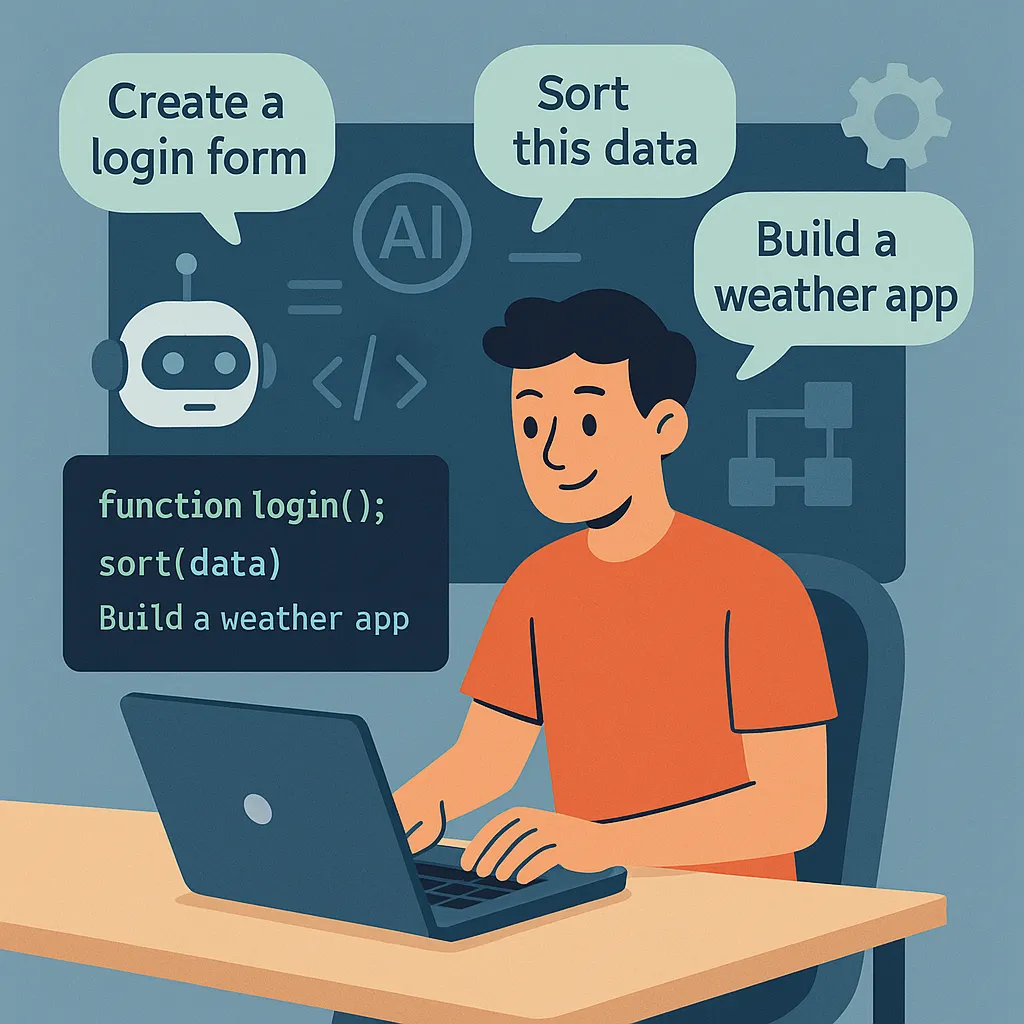
Natural Language To Code
Natural language to code tools are transforming software development by enabling users to build apps, websites, and workflows without needing advanced programming...
Blog
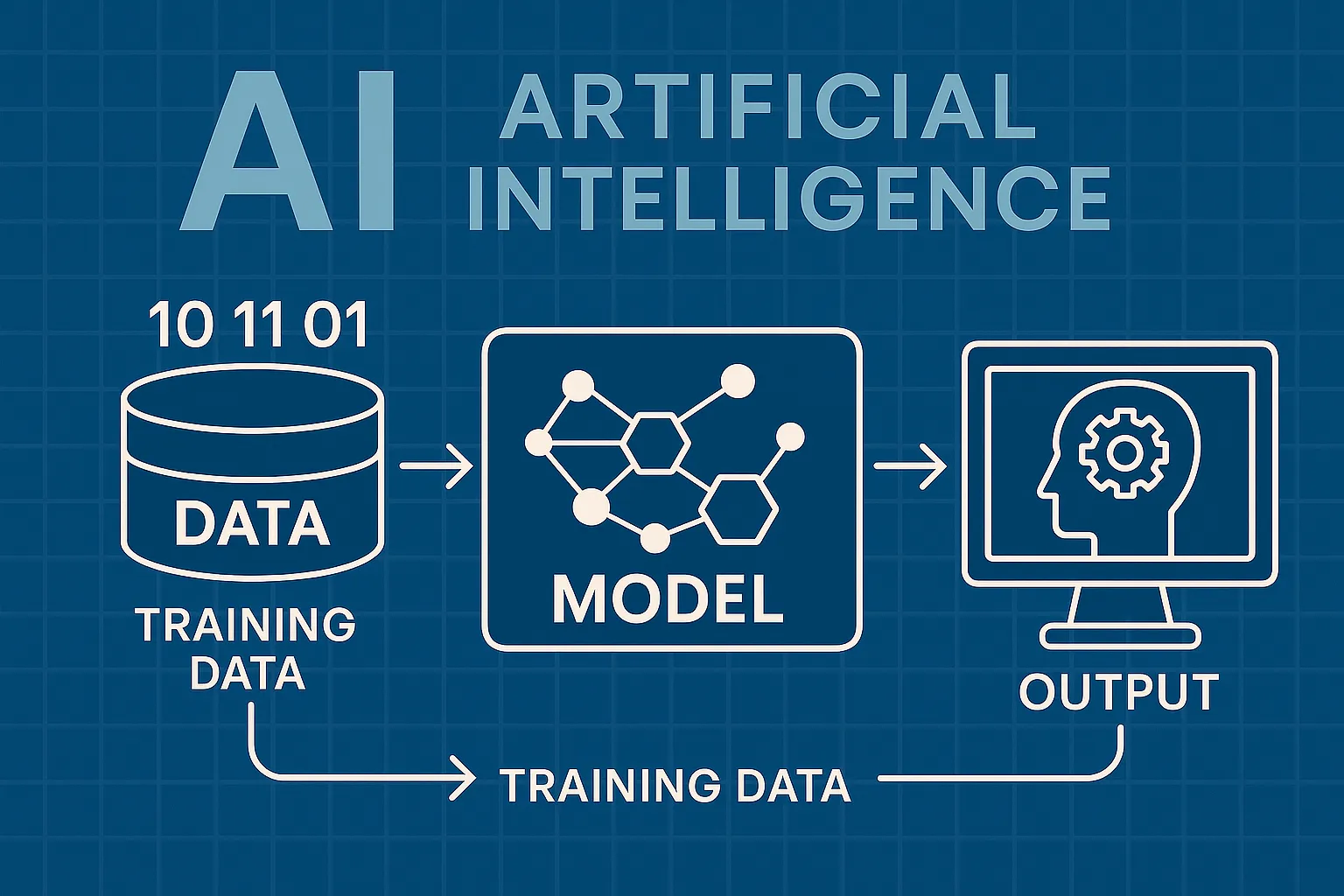
How AI Actually Works
Understand the basics of how AI systems learn, make decisions, and power tools like chatbots, image generators, and virtual assistants.

What Is Vibe Coding?
Discover the rise of vibe coding — an intuitive, aesthetic-first approach to building websites and digital experiences with help from AI tools.

7 Common Myths About AI
Think AI is conscious, infallible, or coming for every job? This post debunks the most widespread misconceptions about artificial intelligence today.

The Future of AI
From generative agents to real-world robotics, discover how AI might reshape society, creativity, and communication in the years ahead.
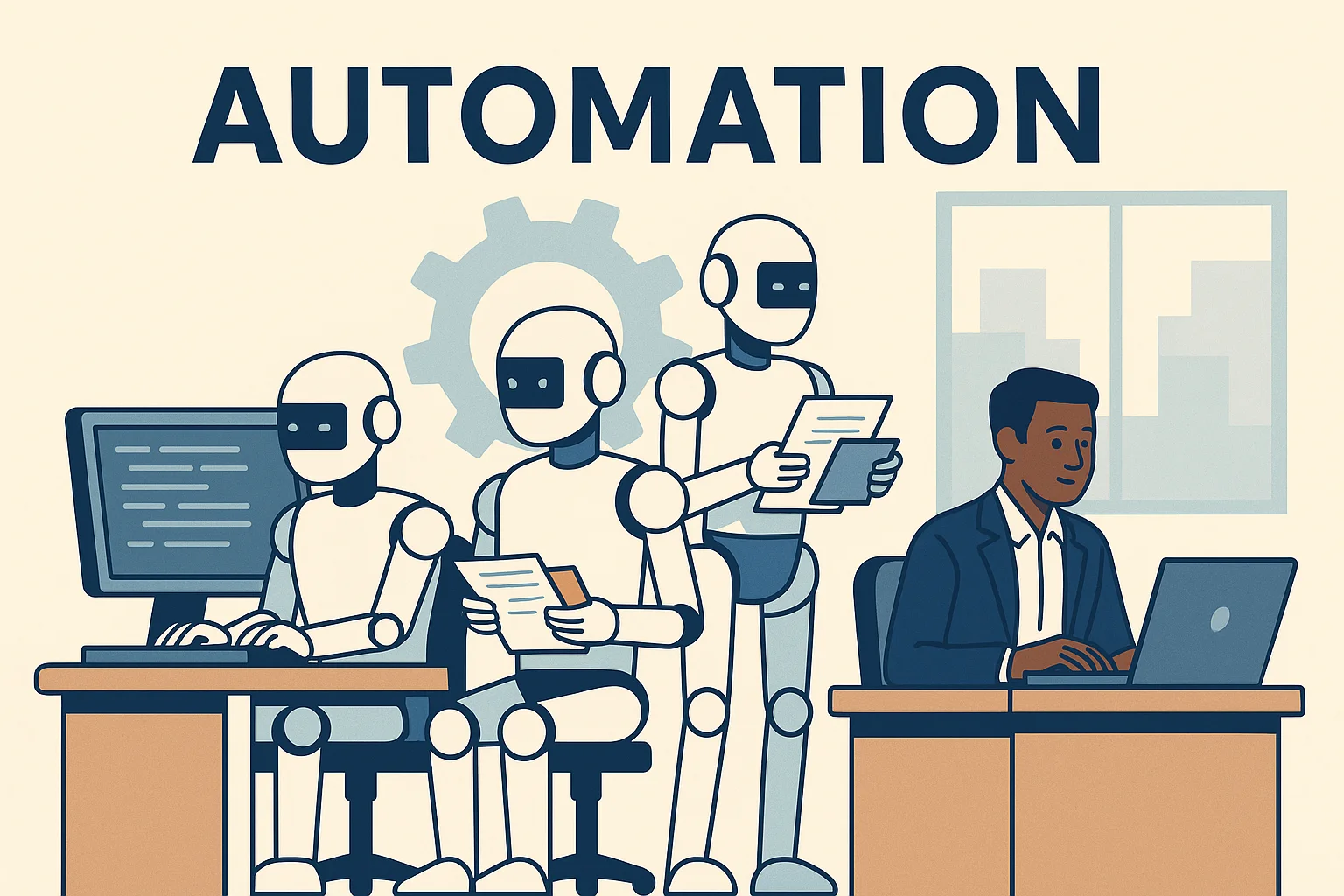
How AI Is Changing the Job Market
Will AI replace your job — or create new ones? Explore which careers are evolving, vanishing, or emerging in the AI-driven economy.

Common Issues with AI
Hallucinations, bias, privacy risks — learn about the most pressing problems in current AI systems and what causes them.