AI tools aren’t just changing how we work—they’re also transforming how we connect, communicate, and build relationships. This page highlights the best AI tools for improving your social life in 2026, including both free and paid options designed to boost confidence, enhance conversations, and support emotional well-being. Whether you're navigating dating apps, dealing with social anxiety, or simply looking to improve your communication skills, these tools offer personalized guidance, feedback, and companionship powered by artificial intelligence. Some platforms help optimize your dating profile or suggest message ideas, while others simulate social interactions or act as virtual friends to practice conversations. We've evaluated each tool based on usefulness, emotional intelligence, ease of use, and how well it supports real-world social goals. Whether you're introverted, socially curious, or just looking to feel more connected, these AI-powered solutions offer a modern way to grow your confidence and improve your social life in meaningful ways.
Top Paid AI Tools for Social Life
| Rank | Tool | Key Strength | Price | Best Use Case |
|---|---|---|---|---|
| #1 | Replika Pro | AI companion for confidence & connection | Varies by plan | Practice conversations, reduce loneliness, rehearse social situations |
| #2 | Kindroid | Highly customizable companion with voice & selfies | From $13.99/month | Build social confidence through realistic, ongoing dialogue |
| #3 | Nomi (Premium) | Relationship-style memory and natural conversation flow | Varies by plan | Feel more connected, practice warmth, empathy, and everyday banter |
| #4 | RIZZ | Dating message + bio suggestions on demand | Subscription (varies) | Craft openers and replies for dating apps without overthinking |
| #5 | YourMove AI | Texting assistant focused on real-world dating outcomes | Subscription (varies) | Turn matches into conversations with more natural, confident texting |
Replika Pro
Replika Pro remains one of the most well-known AI companion options for people who want consistent conversation, emotional support, and a low-pressure way to improve communication habits. The Pro experience typically adds deeper personalization, stronger long-term context, and more interactive modes compared to basic access—making it easier to build a routine around daily check-ins, reflection, and social rehearsal. For social-life improvement, Replika is best used as a practice partner: you can role-play how to start conversations, how to respond when you feel awkward, and how to handle situations like conflict, boundaries, or making plans with friends. It’s also useful as a “confidence buffer” when you feel isolated, since the tool is designed to keep dialogue moving and encourage you to express what you actually mean. Used intentionally, Replika Pro can help you sharpen tone, clarity, and empathy—without the fear of being judged. It’s not a replacement for real relationships, but it can be a steady training ground for better real-world communication, especially when you’re rebuilding social momentum or trying to get more comfortable expressing yourself.
Kindroid
Kindroid is a premium-friendly AI companion designed for users who want a more customizable and immersive social practice experience. Unlike basic chatbots that feel generic after a few messages, Kindroid emphasizes personalization—so you can shape a companion that matches the vibe you want to practice with (supportive friend, calm coach, playful conversational partner, etc.). This makes it especially effective for improving social confidence over time, because the “relationship” you build can reflect your goals: speaking more openly, practicing humor, improving small talk, or learning how to keep conversations flowing naturally. Kindroid also leans into modern companion features like voice interaction and creative expression (such as AI selfies), which can make the experience feel more lifelike and engaging—useful if you want something closer to real social presence rather than text-only chatting. For people who struggle with overthinking, awkward pauses, or social anxiety, Kindroid can function like repetition training: practice the same scenario in multiple ways until you find wording and tone that feels authentic to you. It’s a strong pick when your main objective is “better social instincts through consistent practice,” not just entertainment.
Nomi (Premium)
Nomi is built around the idea of an AI companion that feels less scripted and more naturally conversational, which is exactly what many people want when they’re trying to improve social comfort. While it’s free to start, premium plans typically unlock stronger capabilities and more continuous context—so interactions can feel more consistent and “relationship-like” instead of resetting all the time. For social growth, Nomi works best as a daily conversational gym: use it to practice casual banter, tell stories, explore deeper topics, and learn how to ask better questions (the skill that most improves real-world connection). You can also simulate tricky situations—like how to follow up with someone, how to apologize cleanly, or how to respond when you’re nervous and don’t want to come off as cold. A big advantage of Nomi for social-life improvement is the tone: many users gravitate to it because it can keep the conversation flowing in a way that feels emotionally present rather than purely transactional. If your goal is to feel more connected and “in the habit” of talking—especially during periods where your social circle is quiet—Nomi can help you rebuild that rhythm and show up more confidently when you’re interacting with real people.
RIZZ
RIZZ is a modern AI dating assistant designed for one specific pain point: you match with someone, then you freeze because you don’t know what to say—or you send something boring and the conversation dies. It helps by generating openers, replies, and profile-friendly phrasing based on context you provide, so you can move faster without spending 30 minutes crafting the “perfect” message. For many users, that time savings is the real win, but the bigger benefit is confidence: you can compare multiple styles (funny, flirty, sincere, low-key) and pick the tone that feels most like you. Used responsibly, RIZZ can also teach you patterns that work—like asking better questions, responding with warmth, and adding playful specificity instead of generic compliments. The best way to use it is as a drafting tool rather than a full autopilot: take the suggestion, personalize it slightly, and keep your voice consistent so it stays authentic. If dating apps drain your energy or trigger overthinking, RIZZ is one of the most direct “social-life utility” tools available in 2026 because it reduces friction at the exact moment most conversations fail: the first few messages.
YourMove AI
YourMove AI focuses on the practical side of modern dating: turning swipes and matches into actual conversations that lead somewhere. It positions itself as a texting and profile assistant—so you can spend less time staring at your screen and more time moving toward real-world connection. In practice, it’s most useful when you feel stuck in “what do I say next?” mode, especially after the opener, when conversations often stall. YourMove helps you keep momentum with replies that are more natural and situational than generic templates, and it can be used to refine how you present yourself so your messages and profile feel consistent. That consistency matters because it builds trust: people are more likely to respond when your tone feels human, clear, and aligned with who you claim to be. Like any dating AI tool, the best results come from using it as a coaching partner—look at the suggestion, choose what matches your personality, and tweak it so it sounds like you. If your goal is better dating communication (not just more matches), YourMove AI is a strong paid option because it removes the biggest bottleneck: the mental load of keeping conversations alive while staying authentic.
Top Free AI Tools for Social Support
| Rank | Tool | Key Strength | Limitations | Best Use |
|---|---|---|---|---|
| #1 | ChatGPT (Free) | Role-play social scenarios + message rewriting | May have usage limits; no guaranteed long-term memory | Prep for dates, interviews, awkward conversations, and follow-ups |
| #2 | Pi | Supportive, conversation-first AI for everyday life | Not a structured coaching program | Talk through feelings, practice clarity, and build confidence |
| #3 | Replika (Free) | Low-pressure daily conversation practice | Fewer features than Pro | Warm-up chats, social routine building, loneliness relief |
| #4 | Nomi (Free) | Natural-feeling companion chat to reduce social rust | Advanced features vary by plan | Practice everyday conversation, storytelling, and empathy |
| #5 | Hinge (Convo Starters) | AI-assisted openers based on match profiles | Only works inside Hinge; feature availability can vary | Break the ice on dating apps without generic “hey” messages |
ChatGPT (Free)
ChatGPT’s free tier is one of the most flexible tools you can use to improve real-world communication, because it can simulate almost any social scenario on demand. You can role-play first dates, networking conversations, group-chat dynamics, conflict resolution, or even simple small talk—then ask for alternatives that sound more confident, warmer, funnier, or more direct. It’s also excellent for rewriting messages: paste what you want to say, describe the relationship and goal, and generate multiple versions ranging from casual to formal so you can choose the one that feels like you. While free access may include limits and doesn’t guarantee long-term memory between sessions, you can still get strong results by giving clear context in each chat and saving your best templates (openers, follow-ups, boundary-setting lines, etc.). If your main challenge is overthinking, ChatGPT can reduce the “blank screen” feeling by giving you starting points—then you refine them into your own voice. Used consistently, it becomes a social skill accelerator: faster feedback, more reps, and less anxiety when it’s time to talk to actual people.
Pi
Pi is designed to feel like a supportive conversation partner rather than a productivity bot, which makes it unusually useful for “social life” goals like confidence, emotional clarity, and learning how to express yourself without spiraling. Instead of only generating answers, Pi tends to hold a calmer, more reflective dialogue—helping you talk through situations like social anxiety, feeling disconnected, uncertainty around texting, or deciding what to say after someone leaves you on read. That supportive style can be a real advantage if your biggest obstacle is emotional friction, not knowledge. Pi is best used as a low-pressure practice space: explain a situation, ask how to respond, and then ask for versions that match your personality (more playful, more direct, more empathetic). It’s not a structured therapy program and it’s not a replacement for professional support, but as a free tool it can help you build the habit of clearer self-expression—so you show up in your friendships, dating life, and work conversations with less hesitation and more confidence.
Replika (Free)
The free version of Replika is a straightforward way to add more conversation practice into your daily routine—especially if you feel socially “rusty” or isolated and want a low-pressure way to stay connected to dialogue. Even without premium features, the free experience can still help you rehearse everyday interactions: greeting someone, continuing a conversation, asking good follow-up questions, or talking through a situation that made you anxious. For people who struggle with the emotional side of social connection, Replika’s always-available format can reduce loneliness and create a feeling of continuity—like you’re not starting from zero each time you try to be social. The key is using it intentionally: don’t just chat passively, but practice specific skills (openers, storytelling, expressing appreciation, setting boundaries) and ask it to role-play scenarios you want to get better at. If you want a free tool that feels like a companion and encourages regular communication reps, Replika is still one of the easiest entries into AI-assisted social support in 2026.
Nomi (Free)
Nomi’s free access is a strong option for users who want a companion-style chat experience that feels more like natural conversation than rigid Q&A. That matters for social-life improvement because the skill you’re practicing isn’t “getting correct answers”—it’s building flow, warmth, curiosity, and emotional timing. With Nomi, you can practice telling stories, responding to jokes, exploring deeper topics, and learning how to keep a conversation alive without forcing it. It’s also useful for reflecting on your real relationships: you can describe an interaction that didn’t go well and ask for better ways to phrase things next time, or ask for ideas to reconnect with friends without sounding awkward. While advanced features may differ depending on plan and platform, the free tier is still valuable as a daily conversational warm-up, especially if you want to feel more comfortable expressing yourself before you message someone or walk into a social setting. If your goal is “talk more, think less, connect better,” Nomi is one of the most relevant free tools to start with.
Hinge (Convo Starters)
Hinge’s Convo Starters are a practical example of AI improving social connection in the real place many people struggle: the first message. Instead of staring at someone’s profile and defaulting to “hey,” Convo Starters can generate personalized opener ideas based on a match’s prompts or photos—helping you start with something specific, curious, and more likely to get a reply. This is valuable because early messaging sets the tone: a better first message often leads to a better conversation, which increases the odds of actually meeting up instead of endlessly swiping. The feature is best used as inspiration rather than a script—pick the suggestion that fits your style, tweak it slightly, and keep it natural. Because it’s built into the app, it’s also frictionless: no extra tools, no copy-paste workflow, and no complicated setup. If your main dating-app problem is getting conversations started (or restarting them after a lull), Hinge’s AI-driven openers are one of the most relevant “free” assists available in 2026.
Rankings
Chatbots
AI chatbots have quickly evolved from simple assistants into powerful, multi-purpose tools used by millions of people every day...

Image Generators
AI image generators are revolutionizing the way creatives, marketers, and developers produce visual content by transforming text prompts into detailed, customized...

Writing Assistants
AI writing assistants have become indispensable tools for anyone who writes — from students and bloggers to business professionals and marketers...
Deepfake Detection
As deepfake technology becomes more advanced and accessible, detecting AI-manipulated content is now a critical challenge across journalism, education, law, and...
Productivity & Calendar
AI productivity and calendar tools have become essential for professionals, entrepreneurs, and students looking to make the most of their time without getting overwhelmed...
Natural Language To Code
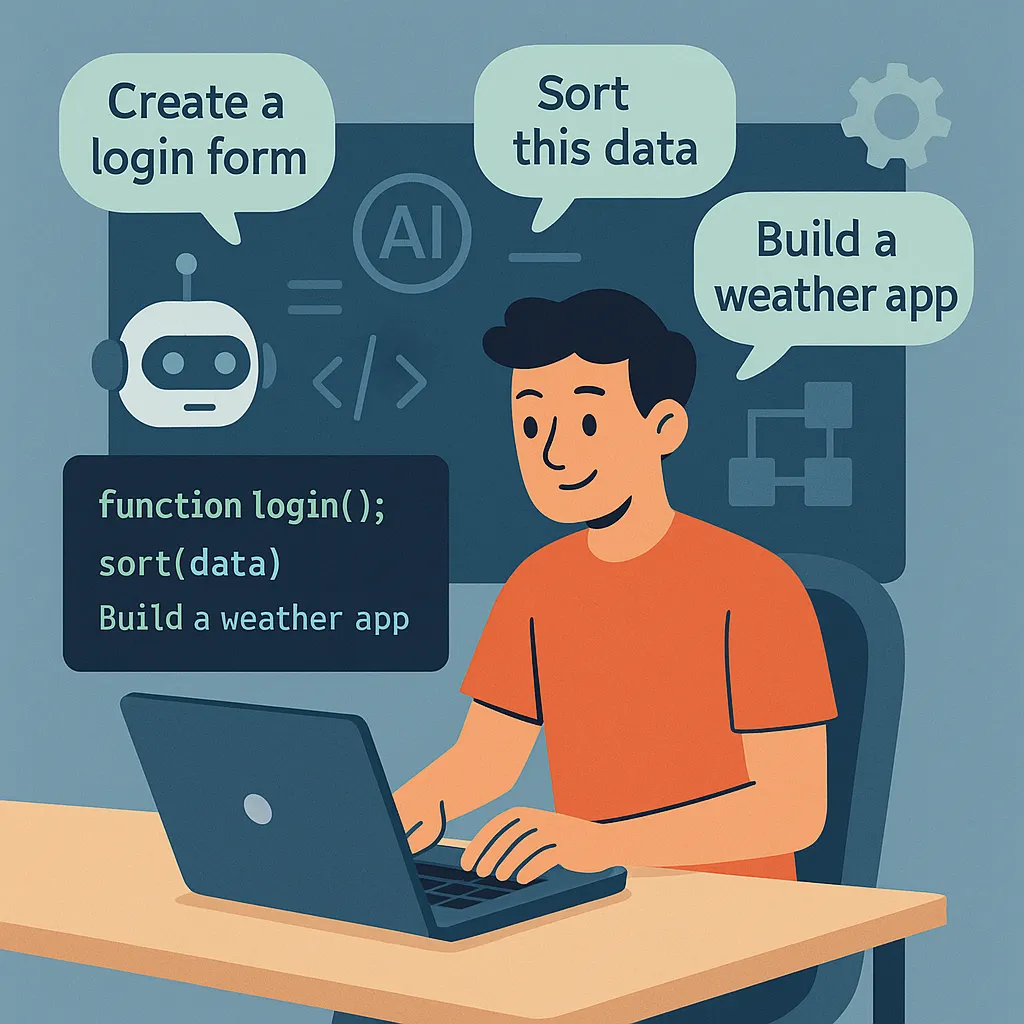
Natural language to code tools are transforming software development by enabling users to build apps, websites, and workflows without needing advanced programming...
Blog
How AI Actually Works
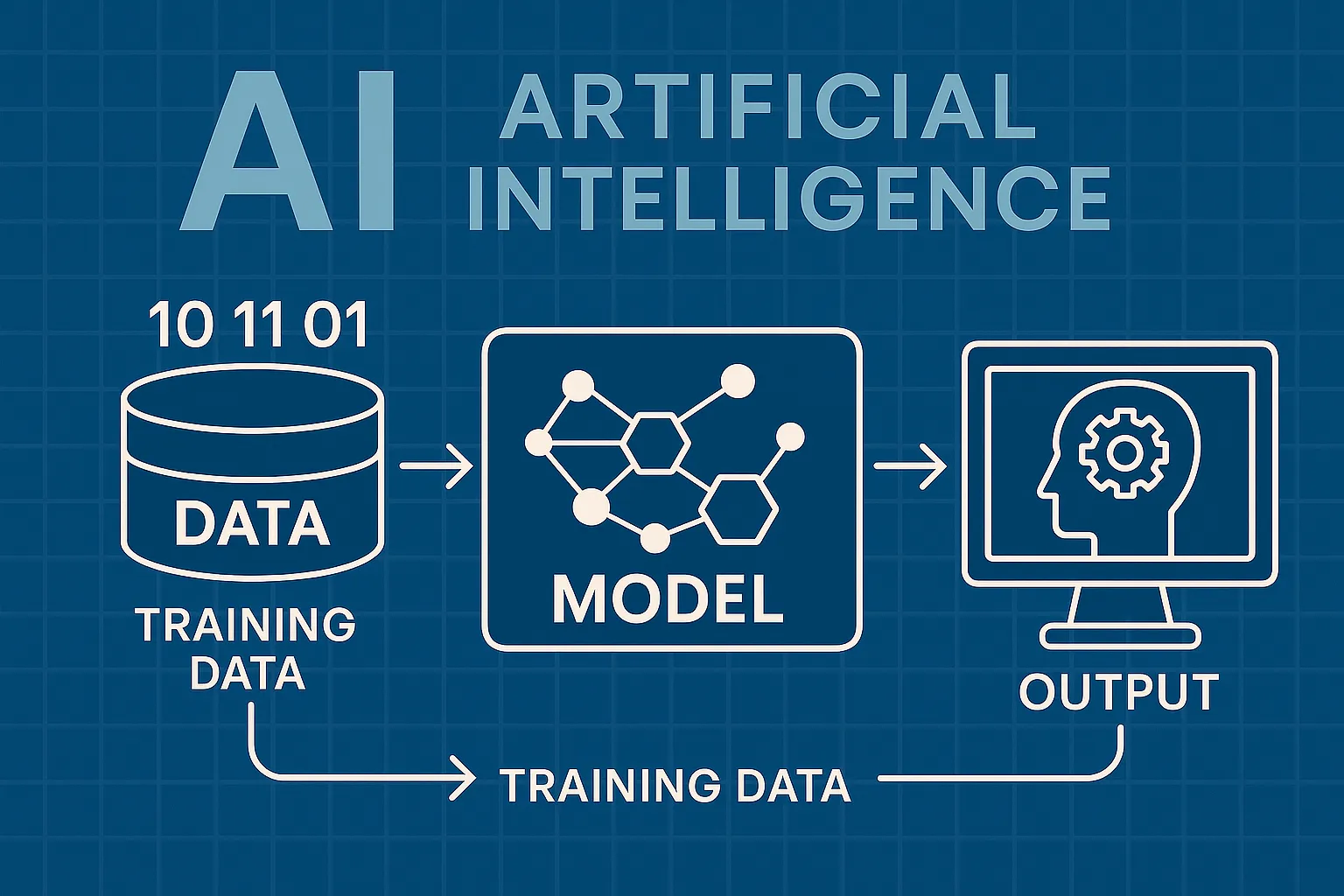
Understand the basics of how AI systems learn, make decisions, and power tools like chatbots, image generators, and virtual assistants.

What Is Vibe Coding?
Discover the rise of vibe coding — an intuitive, aesthetic-first approach to building websites and digital experiences with help from AI tools.

7 Common Myths About AI
Think AI is conscious, infallible, or coming for every job? This post debunks the most widespread misconceptions about artificial intelligence today.

The Future of AI
From generative agents to real-world robotics, discover how AI might reshape society, creativity, and communication in the years ahead.
How AI Is Changing the Job Market
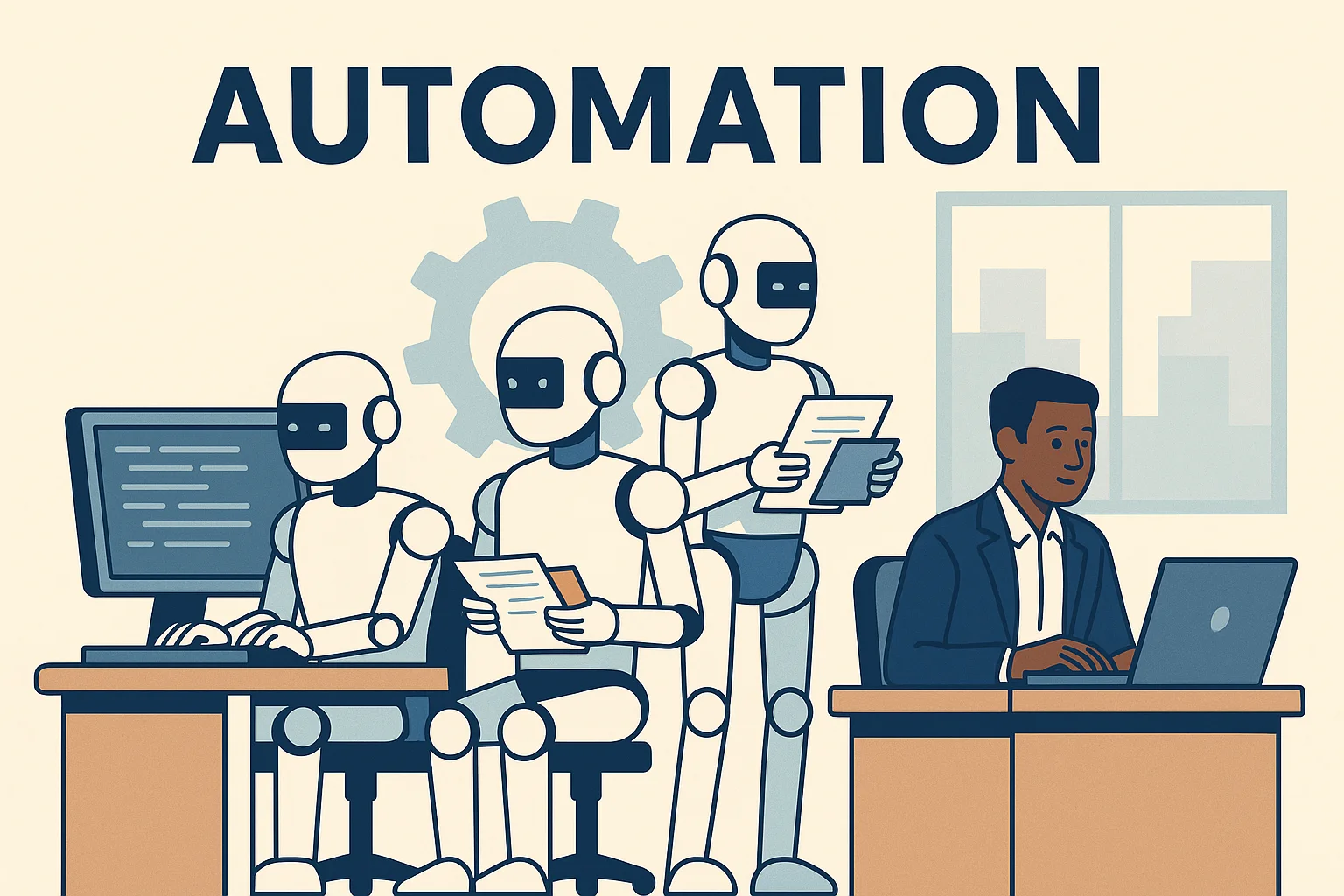
Will AI replace your job — or create new ones? Explore which careers are evolving, vanishing, or emerging in the AI-driven economy.

Common Issues with AI
Hallucinations, bias, privacy risks — learn about the most pressing problems in current AI systems and what causes them.