AI tools aren’t just for tech-savvy users—they can also provide meaningful support for seniors looking to stay connected, independent, and engaged in a digital world. This page features the best AI tools for seniors in 2026, including both free and paid options that focus on ease of use, accessibility, and everyday utility. From voice-based assistants that simplify tasks to AI apps that help with reading, reminders, health awareness, or companionship, these tools are designed to make technology more helpful and less intimidating. Many offer clean interfaces, spoken feedback, and minimal setup, making them ideal for older adults who may be less familiar with complex digital platforms. We’ve evaluated each tool based on usefulness, simplicity, affordability, and relevance to real-life needs like communication, safety, and cognitive support. Whether you're a senior exploring tech solutions or a caregiver helping someone else, this guide highlights practical AI tools that can make life easier and more enjoyable.
Top Paid AI Tools for Seniors
| Rank | Tool | Key Strength | Price | Best Use Case |
|---|---|---|---|---|
| #1 | ElliQ | AI wellness companion built for seniors | From $59.99/month + enrollment fee | Daily conversation, routine & reminders |
| #2 | CarePredict@Home | AI-driven routine monitoring & caregiver alerts | $499 kit + $69.99/month | Aging-in-place safety & early change detection |
| #3 | KardiaMobile | At-home ECG with AI rhythm insights | From $99 device + optional plan | Heart rhythm monitoring & shareable reports |
| #4 | Alexa+ | More conversational voice assistant & proactive help | Included with Prime or $19.99/month | Hands-free help, routines, and home support |
| #5 | Speechify Premium | AI text-to-speech for easier reading | From $29/month | Reading assistance for vision or fatigue |
ElliQ
ElliQ is a dedicated AI wellness companion designed specifically for older adults who want a simpler, friendlier way to stay engaged day to day. Instead of feeling like a generic assistant, ElliQ is built around supportive interaction—starting conversations, suggesting gentle physical and cognitive activities, and helping seniors stay consistent with routines like medication, hydration, and appointments. For caregivers and families, the big value is that ElliQ encourages healthy habits without constant nudging from loved ones. It’s also a strong option for seniors who live alone and want more daily engagement than a standard smart speaker provides. If reducing loneliness and improving routine consistency are top priorities, ElliQ is one of the most senior-focused AI products available.
CarePredict@Home
CarePredict@Home is an AI-powered wearable system designed for seniors who want to age in place while giving families more peace of mind. The core idea is simple: it learns a person’s normal daily patterns—sleep, movement, routine activity—and flags meaningful changes that could signal a problem (for example, unusual inactivity, disrupted sleep, or shifts in typical behavior). That “pattern-change” approach is especially useful because many health concerns show up first as subtle routine changes, not obvious emergencies. CarePredict can send alerts to a caregiver circle so someone can check in early, before a small issue becomes a bigger one. For families supporting an independent senior, it’s one of the more practical AI options that focuses on prevention, not just reaction.
KardiaMobile
KardiaMobile is a compact, easy-to-use personal ECG device that helps seniors capture heart rhythm readings at home in about 30 seconds. The main benefit is confidence and convenience—especially for anyone who has been told to watch for irregular rhythms or wants a simple way to record symptoms as they happen. Readings can be saved and shared with a healthcare provider, which is useful for appointments and follow-ups where “what happened” can be hard to describe. While it isn’t a replacement for medical care, it can support earlier awareness and better documentation, which often leads to faster, clearer conversations with a doctor. For heart-conscious seniors, it’s a strong blend of accessibility, real-world usefulness, and simple daily operation.
Alexa+
Alexa+ is a major upgrade to the classic Alexa experience, built to feel more conversational and helpful—especially for seniors who prefer speaking instead of tapping through apps and menus. In practice, that means easier back-and-forth requests, more natural follow-up questions, and better “do this for me” interactions like building routines, managing reminders, getting step-by-step help, or controlling smart-home devices hands-free. For older adults, the real win is reducing friction: voice becomes the interface, which can be more comfortable than screens for users with vision challenges, mobility limits, or low tech confidence. When paired with an Echo device, Alexa+ can become a friendly daily helper for tasks, entertainment, and gentle structure—without requiring complicated setup every time.
Speechify Premium
Speechify Premium is an AI text-to-speech tool that turns articles, emails, PDFs, and web pages into natural-sounding audio, making it easier for seniors to consume information without eye strain. It’s especially helpful for users with low vision, reading fatigue, or attention challenges, because listening can be more comfortable than long reading sessions. Beyond basic read-aloud, Speechify includes features like faster listening speeds, a wide range of high-quality voices, and scan-and-listen options that can help with printed materials. For seniors who still want to stay informed and independent—but want a more accessible way to read—Speechify is one of the most immediately useful AI accessibility upgrades you can add to daily life.
Top Free AI Tools for Elderly Users
| Rank | Tool | Key Strength | Limitations | Best Use |
|---|---|---|---|---|
| #1 | Google Assistant | Voice-based help built into Android | Works best with supported devices & setup | Reminders, quick answers, hands-free tasks |
| #2 | Siri | Simple voice control across Apple devices | Apple ecosystem required | Calls, texts, timers, and everyday assistance |
| #3 | Amazon Alexa | Voice-first smart home & routines | Best experience requires an Echo device | Voice reminders, music, and home control |
| #4 | Medisafe | Medication reminders with clear schedules | Some features may be paid or region-limited | Daily pill & dosage tracking |
| #5 | Be My Eyes | AI + human help for visual tasks | Best results depend on lighting and camera view | Reading labels, mail, instructions, and objects |
Google Assistant
Google Assistant helps seniors use their phone or smart speaker with simple voice commands instead of complicated menus. It can set reminders for medications and appointments, answer everyday questions, call family members, send texts, play music, and control compatible smart-home devices like lights or thermostats. For older adults with mobility or vision challenges, that hands-free approach can make daily tasks significantly easier. The setup can take a few minutes (especially on smart speakers), but once it’s configured, it becomes a reliable “always-available” helper that reduces the need to navigate small screens. For many seniors, Google Assistant is the fastest free way to make technology feel more accessible and less frustrating.
Siri
Siri is built into iPhone, iPad, Apple Watch, and other Apple devices, making it a convenient free option for seniors already using Apple products. It’s excellent for quick, practical help—placing calls, sending messages, setting alarms, creating reminders, getting directions, and handling simple daily questions without typing. For older adults who prefer straightforward voice commands, Siri can reduce the time spent hunting through apps and settings. It’s also useful for accessibility because voice can replace touch for many common actions. If a senior already uses an iPhone, enabling and practicing a few “go-to” Siri commands is one of the easiest ways to improve independence with technology.
Amazon Alexa
Amazon Alexa is a strong free option for seniors who want a voice-first experience—especially when paired with an Echo speaker or display. Seniors can ask for reminders, weather, news, music, and timers, or set simple routines that run automatically each day. The biggest advantage is consistency: once a few core routines are created (morning reminders, evening alarms, medication prompts), Alexa can help structure the day without the user needing to remember every task manually. It can also help reduce isolation by making it easier to play favorite songs, listen to radio, or call approved contacts hands-free. For many households, Alexa becomes a simple daily companion that’s easier than using a smartphone for everything.
Medisafe
Medisafe is a widely used medication management app that helps seniors keep up with prescriptions using clear schedules and timely alerts. It’s especially valuable for people juggling multiple medications with different times, doses, or instructions, because the app reduces guesswork and missed doses. Seniors can receive reminders, track when medications are taken, and create a routine that’s easy to follow day after day. Many caregivers also like Medisafe because it supports sharing or coordinating medication schedules, which can reduce stress for families supporting an older adult remotely. For a free tool that improves everyday safety and routine adherence, Medisafe is one of the most practical options available.
Be My Eyes
Be My Eyes is a free accessibility app that supports seniors with vision challenges by offering both AI-powered help and optional human assistance for real-world tasks. Users can point their camera at something they need help with—like a medication label, mail, appliance buttons, or product packaging—and get guidance through visual descriptions and conversational support. This can be especially helpful for seniors who want to remain independent but occasionally struggle with small text or confusing packaging. The app is simple to use and can become a “backup plan” for everyday moments where vision gets in the way. For seniors and caregivers focused on accessibility, Be My Eyes is one of the most meaningful free AI tools available today.
Rankings
Chatbots
AI chatbots have quickly evolved from simple assistants into powerful, multi-purpose tools used by millions of people every day...

Image Generators
AI image generators are revolutionizing the way creatives, marketers, and developers produce visual content by transforming text prompts into detailed, customized...
Writing Assistants
AI writing assistants have become indispensable tools for anyone who writes — from students and bloggers to business professionals and marketers...
Deepfake Detection
As deepfake technology becomes more advanced and accessible, detecting AI-manipulated content is now a critical challenge across journalism, education, law, and...
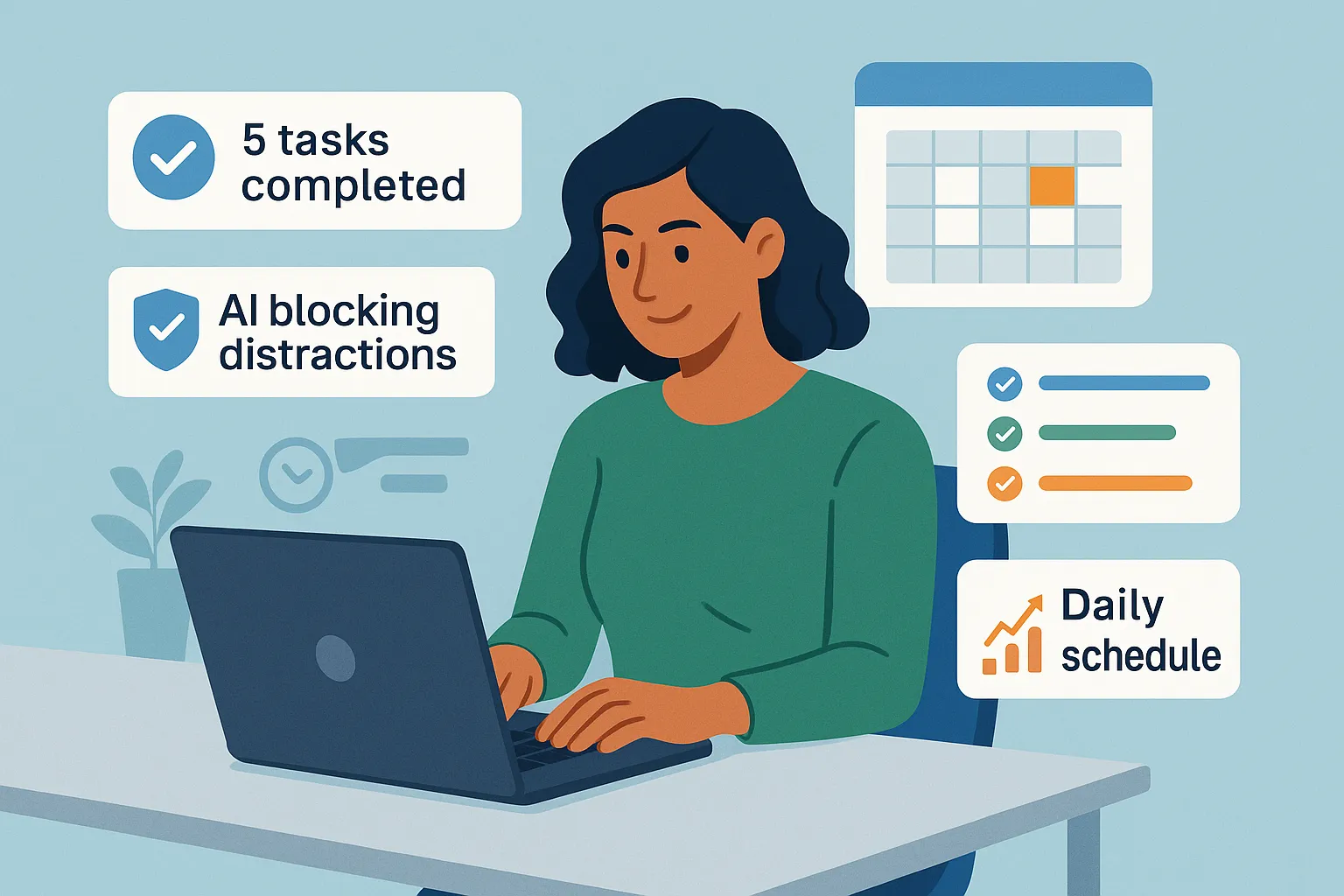
Productivity & Calendar
AI productivity and calendar tools have become essential for professionals, entrepreneurs, and students looking to make the most of their time without getting overwhelmed...
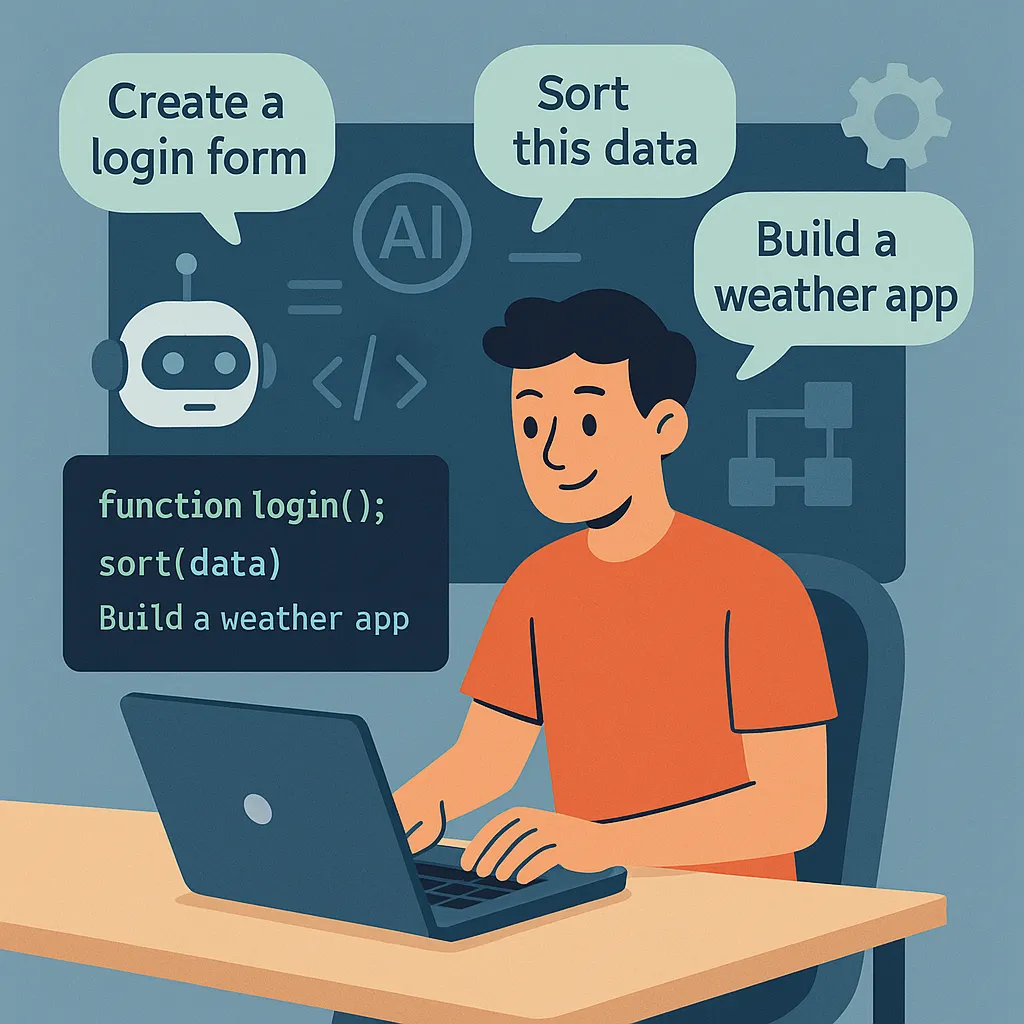
Natural Language To Code
Natural language to code tools are transforming software development by enabling users to build apps, websites, and workflows without needing advanced programming...
Blog
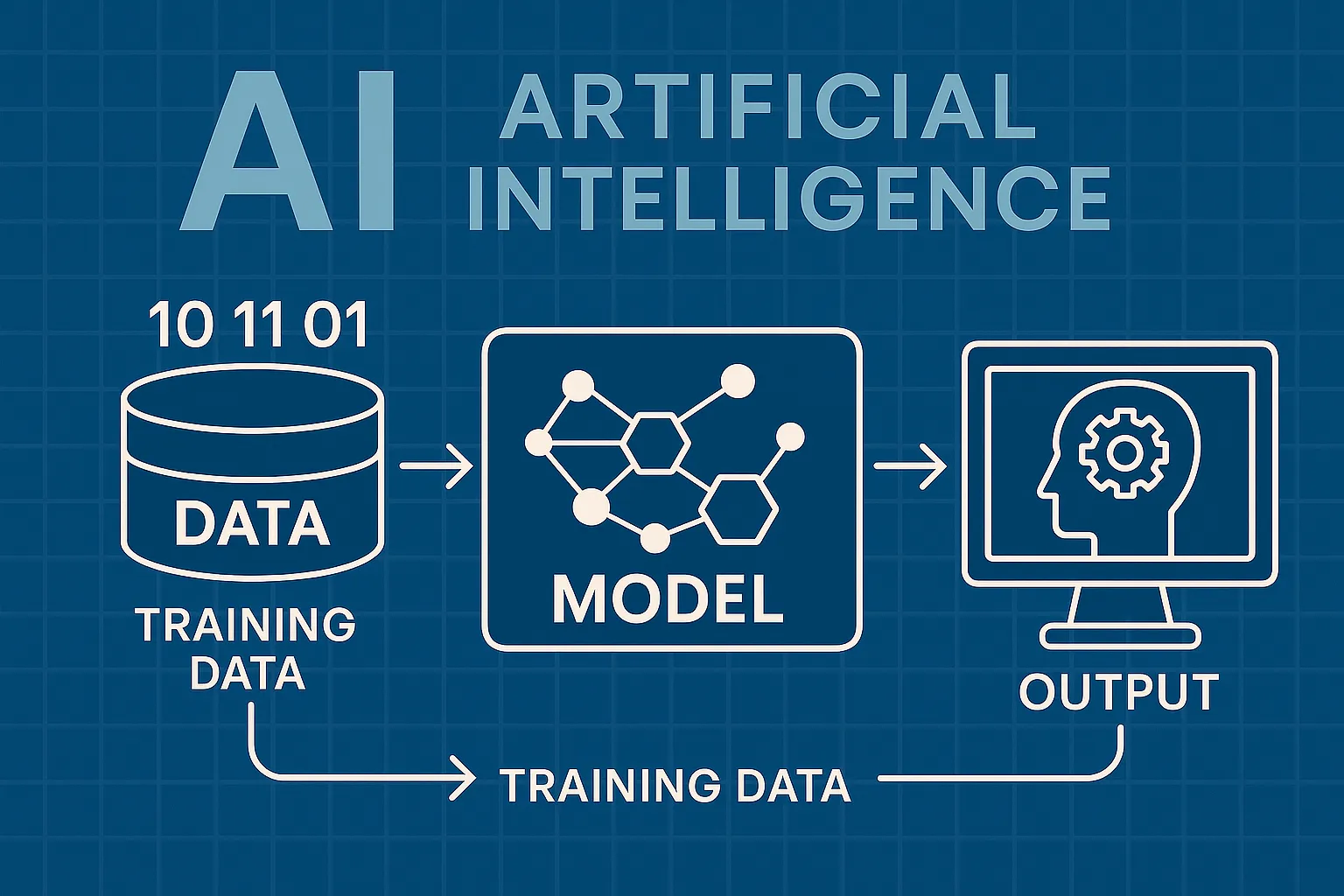
How AI Actually Works
Understand the basics of how AI systems learn, make decisions, and power tools like chatbots, image generators, and virtual assistants.

What Is Vibe Coding?
Discover the rise of vibe coding — an intuitive, aesthetic-first approach to building websites and digital experiences with help from AI tools.
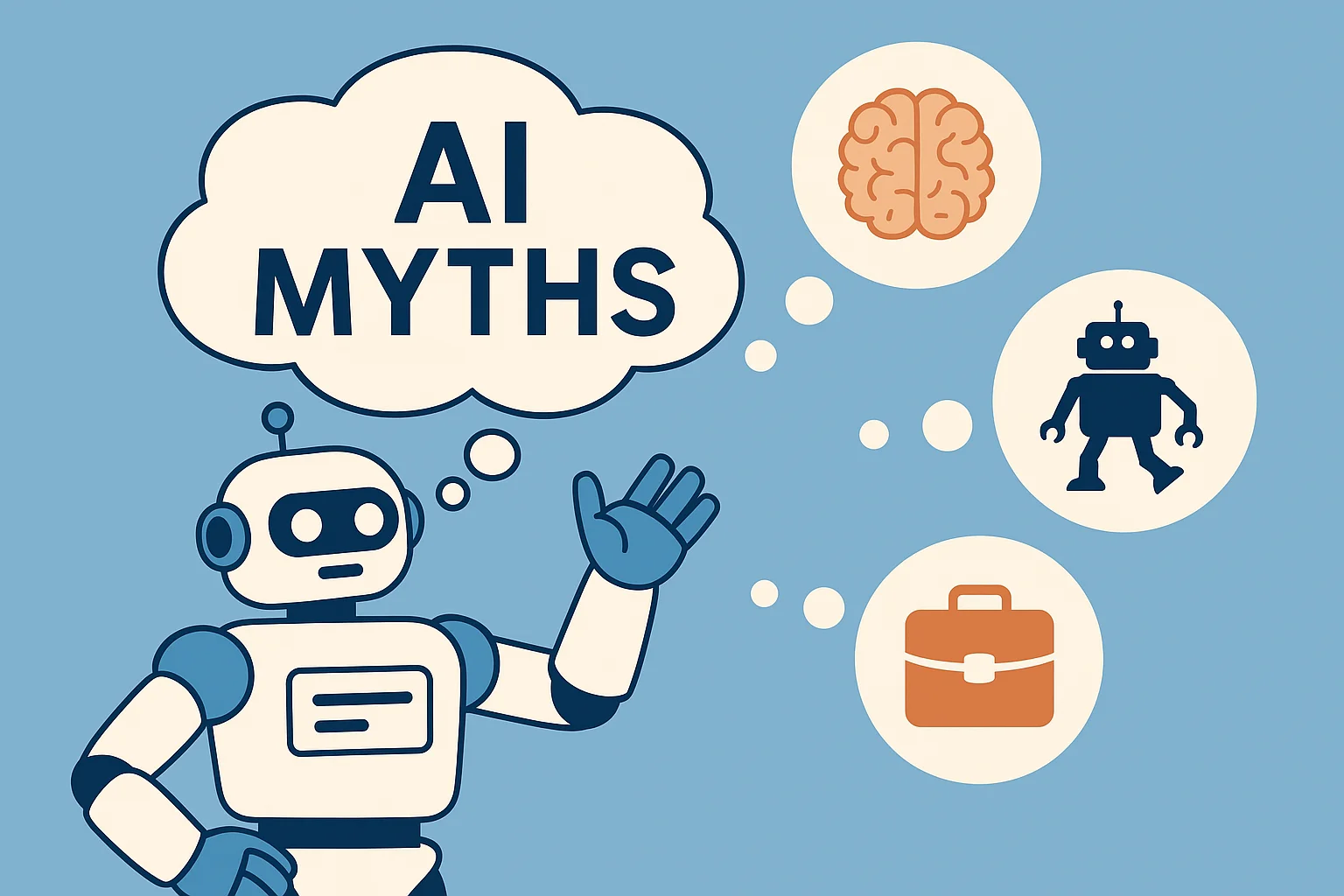
7 Common Myths About AI
Think AI is conscious, infallible, or coming for every job? This post debunks the most widespread misconceptions about artificial intelligence today.

The Future of AI
From generative agents to real-world robotics, discover how AI might reshape society, creativity, and communication in the years ahead.
How AI Is Changing the Job Market
Will AI replace your job — or create new ones? Explore which careers are evolving, vanishing, or emerging in the AI-driven economy.

Common Issues with AI
Hallucinations, bias, privacy risks — learn about the most pressing problems in current AI systems and what causes them.