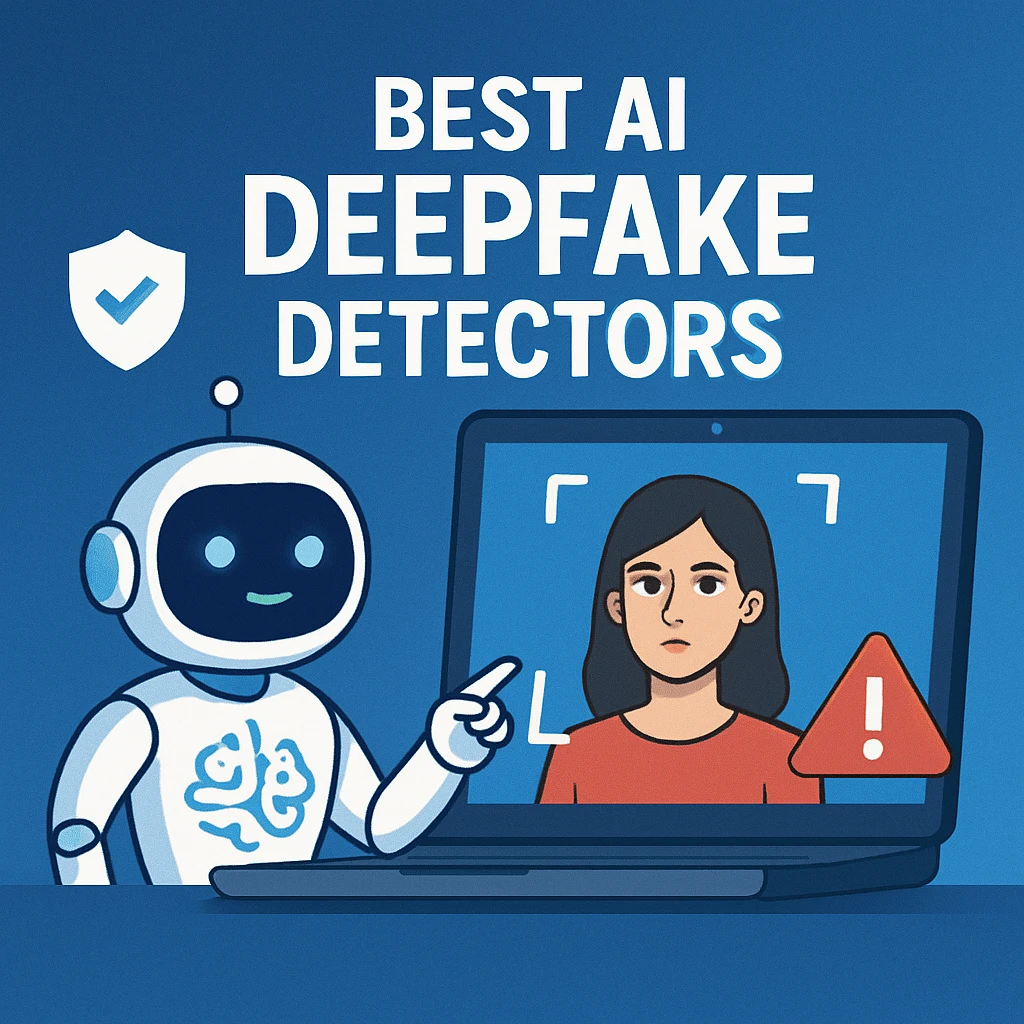
As deepfake technology becomes more advanced and accessible, detecting AI-manipulated content is now a critical challenge across journalism, education, law, cybersecurity, and public safety. This page showcases the best AI deepfake detectors available today, comparing both free and paid tools designed to analyze audio, video, and image files for signs of manipulation. Whether you're verifying facial expressions in video, detecting voice cloning, screening media for fraud, or confirming the authenticity of content before sharing it, these platforms use modern forensic signals and machine learning models to flag potential fakes. We've evaluated each tool based on detection accuracy, file type compatibility, speed, ease of use, transparency of results, and reliability across real-world scenarios. Many of these tools are used by fact-checkers, trust & safety teams, investigators, and researchers, and several offer free versions, public scanners, or demo access for quick testing. If you're concerned about misinformation, scams, impersonation, or digital trust, this guide will help you find the best AI-powered deepfake detection software for staying ahead of the growing wave of synthetic media in 2026 and beyond.
Best Paid Deepfake Detection Tools
| Rank | Tool | Specialty | Price | Use Case |
|---|---|---|---|---|
| #1 | Sensity AI | Forensic detection across video, image, audio | Enterprise / custom | Investigations, fraud, threat intel |
| #2 | Reality Defender | Multimodal deepfake screening at scale | Tiered / contact sales | Enterprise security, media verification |
| #3 | Hive AI (Deepfake Detection APIs) | API-first detection for images, video, audio | Usage-based API pricing | Platforms, moderation, automated pipelines |
| #4 | Attestiv | Video authenticity + forensic risk scoring | Enterprise / custom | Insurance, compliance, media integrity |
| #5 | Deepware (Enterprise) | Face manipulation detection (SDK/API options) | Custom license | Forensics teams, newsroom verification |
Sensity AI
Sensity AI is one of the strongest “forensic-first” deepfake detection platforms available in 2026, built for organizations that need credible results across multiple media types. It analyzes videos, images, and audio using layered detection signals—looking for manipulation artifacts, model fingerprints, and inconsistencies that often appear when faces, voices, or scenes are synthetically generated or altered. Sensity is commonly positioned for high-stakes workflows such as threat intelligence, fraud investigations, and authenticity checks where a simple “fake / not fake” label is not enough. Teams benefit from fast assessments, scalable workflows, and the ability to integrate detection into review pipelines. If you need enterprise-grade deepfake detection with broad coverage across media formats, Sensity is a top-tier option.
Reality Defender
Reality Defender focuses on practical, real-world deepfake screening for organizations that need to detect synthetic media quickly and consistently. The platform is designed for both manual verification and high-throughput automation, supporting multimodal analysis so teams can screen images, video, and audio in one workflow. It’s a strong fit for newsrooms, brand protection, corporate security, and fraud prevention—especially when impersonation and manipulated clips can create immediate reputational or financial damage. Reality Defender also emphasizes explainable outputs and scalable deployment options, which helps teams operationalize detection instead of treating it as a one-off check. For businesses that want to “catch deepfakes before they spread” and integrate authenticity into daily operations, this is one of the most relevant paid tools right now.
Hive AI (Deepfake Detection APIs)
Hive AI is a go-to option for teams that want deepfake detection as an API layer inside an existing product, moderation system, or content pipeline. Instead of forcing analysts to manually upload files one-by-one, Hive is built to programmatically scan images, videos, and audio and return clear confidence scores—ideal for platforms, marketplaces, and apps that need continuous screening. This is especially useful for trust & safety teams dealing with scale: you can automatically flag suspected synthetic media for human review, route content into different queues, or block high-risk uploads entirely. If your organization needs reliable deepfake detection that plugs into production workflows with predictable response formats, Hive’s API-first approach is one of the most practical enterprise solutions in 2026.
Attestiv
Attestiv is built around media authenticity and forensic analysis, with a strong emphasis on video deepfake detection in high-risk environments. It’s designed to help organizations evaluate whether a video has been manipulated, edited, or synthetically generated—and to produce outputs that are easy to interpret for operational decisions. This makes it a strong fit for compliance-heavy sectors and workflows where “trusting the footage” has real consequences, such as insurance, HR disputes, financial services, and investigative reporting. Attestiv also supports link-based analysis and browser-friendly review, which is helpful when you’re verifying content pulled from social platforms or shared through messaging apps. For teams that want deepfake detection with broader authenticity context and enterprise support, Attestiv is a highly relevant paid pick.
Deepware (Enterprise)
Deepware is well-known for its deepfake face manipulation detection, with options that go beyond the public scanner for organizations that need more control. The enterprise offering is geared toward teams that want API, SDK, or offline workflows—useful for digital forensics, newsroom verification, and security groups analyzing sensitive footage. Deepware’s approach focuses on detecting AI-generated face manipulations (like swaps and synthetic facial animation), which makes it especially relevant when impersonation is the primary threat model. If your verification needs center on faces in video (rather than general editing or metadata checks), Deepware remains one of the more established names to consider in 2026.
Best Free Deepfake Detection Tools
| Rank | Tool | Focus | Limitations | Notes |
|---|---|---|---|---|
| #1 | Deepware Scanner (Free) | Face manipulation checks for video | Best for face-focused deepfakes | Fast public scanner for quick triage |
| #2 | Hive AI Detector (Chrome Extension) | Scan web content (image/video/audio/text) | Browser-based; not full forensic reporting | One of the most convenient free scanners |
| #3 | InVID & WeVerify Plugin | Video/image verification toolkit + deepfake tab | Best for analysis workflows (not one-click) | Excellent for journalists and fact-checkers |
| #4 | WeVerify Deepfake Detector | Probability scoring for manipulated faces | Research-style interface and coverage limits | Useful for education and quick experiments |
| #5 | Illuminarty (Free Scans) | AI-generated image detection + some deepfake support | Best for images; free usage is limited | User-friendly with helpful visual feedback |
Deepware Scanner (Free)
Deepware Scanner is one of the most practical free entry points for checking whether a video contains AI-generated face manipulation. You can upload a clip or provide a link and get a quick verdict designed for triage—ideal when you’re dealing with a suspicious short video circulating on social media and you want a fast signal before digging deeper. While it’s not a full investigative suite and it won’t replace professional forensic review, it’s a strong “first check” tool for educators, journalists, moderators, and everyday users. Its main strength is face-focused detection, so it’s best used for classic deepfake scenarios like swaps, synthetic facial animation, or suspicious lip-sync content where identity impersonation is the core concern.
Hive AI Detector (Chrome Extension)
Hive AI Detector is one of the most convenient free ways to scan potentially synthetic content directly from your browser. Instead of downloading files and uploading them to multiple tools, this extension is built for quick “is this AI-generated?” checks while you’re browsing—useful for verifying suspicious images, clips, or audio snippets shared on social platforms and news sites. It’s not meant to deliver court-grade forensic reporting, but it’s extremely practical for rapid screening and general media literacy workflows. If you want a lightweight tool that helps you catch obvious AI-generated content early (and decide whether something needs deeper investigation), Hive’s Chrome extension is one of the best free options available.
InVID & WeVerify Plugin
The InVID & WeVerify Plugin is less of a single deepfake “scanner” and more of a full verification toolkit used by journalists and fact-checkers. It helps you break videos into keyframes, run reverse image searches, extract metadata when available, analyze sources, and investigate whether content has been repurposed or misleadingly re-uploaded. In modern misinformation workflows, this matters because many viral “deepfake” claims are actually edits, recontextualized footage, or stitched clips. The plugin’s verification features help you validate the bigger story around a piece of media, while its analysis tools can support synthetic-media checks as part of a broader investigation. If you want a serious free toolkit for practical verification work, this is one of the best browser-based options in 2026.
WeVerify Deepfake Detector
WeVerify’s Deepfake Detector is a research-backed tool that processes images or videos and returns a probability score focused on manipulated faces. It’s particularly useful for education, experimentation, and quick checks when you want a transparent “likelihood” result rather than a marketing-style verdict. Because it comes from an R&D context, it can feel more technical than consumer tools and it won’t cover every deepfake technique equally well. Still, it’s a valuable free resource for understanding how deepfake detection works, testing suspicious media, and learning what signs detectors look for. If you’re building media literacy training or exploring detection models, WeVerify is worth keeping in your toolkit.
Illuminarty (Free Scans)
Illuminarty is a user-friendly tool that helps people detect AI-generated and potentially manipulated visuals, with a strong emphasis on images and visual explanations. For free users, it provides quick scans and clear feedback that’s easier to understand than many “black box” detectors—making it a good fit for casual users, educators, and social media teams doing fast verification. Illuminarty is especially helpful when you want more than a yes/no answer, since it aims to show why an image looks suspicious and how the tool reached its conclusion. Like most free services, usage is limited and it won’t replace enterprise-grade forensic review, but it’s a solid free option for day-to-day authenticity checks and media literacy workflows.
Rankings

Chatbots
AI chatbots have quickly evolved from simple assistants into powerful, multi-purpose tools used by millions of people every day...

Image Generators
AI image generators are revolutionizing the way creatives, marketers, and developers produce visual content by transforming text prompts into detailed, customized...

Writing Assistants
AI writing assistants have become indispensable tools for anyone who writes — from students and bloggers to business professionals and marketers...
Deepfake Detection
As deepfake technology becomes more advanced and accessible, detecting AI-manipulated content is now a critical challenge across journalism, education, law, and...
Productivity & Calendar
AI productivity and calendar tools have become essential for professionals, entrepreneurs, and students looking to make the most of their time without getting overwhelmed...
Natural Language To Code
Natural language to code tools are transforming software development by enabling users to build apps, websites, and workflows without needing advanced programming...
Blog
How AI Actually Works
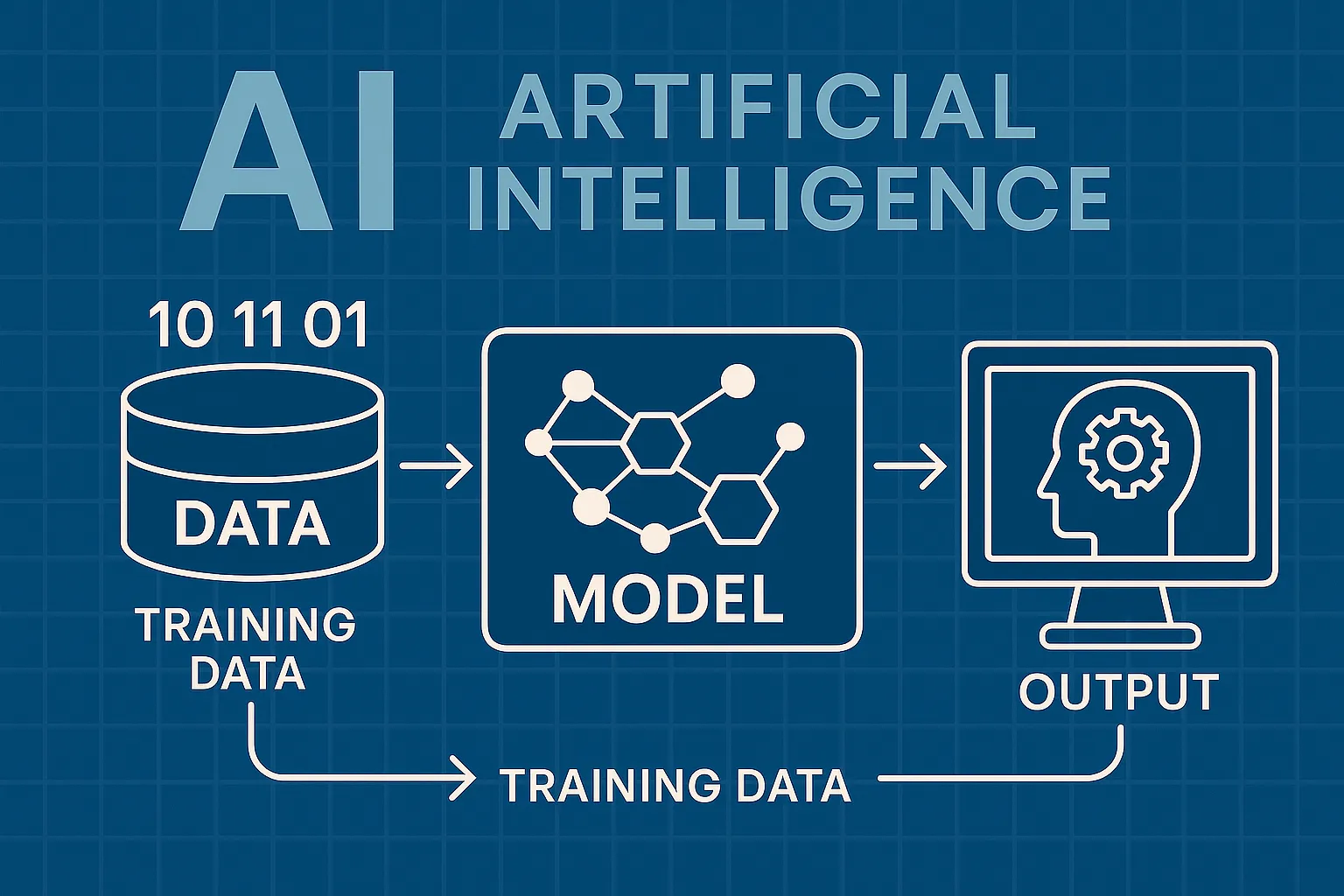
Understand the basics of how AI systems learn, make decisions, and power tools like chatbots, image generators, and virtual assistants.

What Is Vibe Coding?
Discover the rise of vibe coding — an intuitive, aesthetic-first approach to building websites and digital experiences with help from AI tools.
7 Common Myths About AI
Think AI is conscious, infallible, or coming for every job? This post debunks the most widespread misconceptions about artificial intelligence today.

The Future of AI
From generative agents to real-world robotics, discover how AI might reshape society, creativity, and communication in the years ahead.
How AI Is Changing the Job Market
Will AI replace your job — or create new ones? Explore which careers are evolving, vanishing, or emerging in the AI-driven economy.

Common Issues with AI
Hallucinations, bias, privacy risks — learn about the most pressing problems in current AI systems and what causes them.